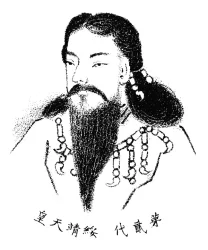
Konstantinos X Doukas
Konstantinos X Doukas came to the Byzantine throne in 1059 after the soldier-emperor Isaac I Komnenos abdicated. His reign lasted less than eight years, but it helped set the course for the Doukas dynasty and left a difficult inheritance: mounting pressure on the empire’s frontiers, internal debates over military spending and a young heir whose rule would be tested by crisis.
From Aristocratic Politician to Emperor
The Doukas family belonged to the Byzantine aristocracy, and Constantine built his influence through politics rather than battlefield command. In 1059, Isaac I Komnenos fell ill and chose Constantine as his successor. Isaac’s decision placed the throne in the hands of a civilian politician at a time when the empire faced competing pressures from court factions and its borders.
Constantine was crowned in November 1059. His government relied on influential advisers, including his brother John Doukas, who held the powerful title of Caesar, and the scholar Michael Psellos, a close court associate. Psellos’ later account helped shape Constantine’s reputation, though it must be read with care: he was an advocate for the Doukas family and presented its leaders in a favorable light.
Governing the Empire
Constantine strengthened the position of his family by naming his sons Michael, Andronikos and Konstantios co-emperors. His wife, Eudokia Makrembolitissa, was a capable political figure in her own right. The arrangement was intended to secure a smooth succession, but it would leave a child ruler and a regency when Constantine died.
His administration also faced long-running pressure on the imperial treasury. Critics, especially the historian Michael Attaleiates, accused the government of raising taxes and favoring civilian interests. Constantine’s reign is often associated with reducing military expenditures and weakening forces in the eastern provinces. The consequences are debated: earlier emperors had already altered the structure of the army, and historians caution against blaming the later loss of Byzantine territory on one ruler alone. Still, his government did not reverse the growing difficulties in maintaining a strong frontier force.
The empire’s position was particularly exposed in Anatolia and Armenia, where Seljuk Turkish groups were becoming an increasing concern. At the same time, Byzantine authority in southern Italy was under pressure from Norman expansion. Constantine’s reign did not see the Battle of Manzikert, which came four years after his death, but it formed part of the unsettled period that preceded that decisive defeat.
Succession and Death
Constantine became seriously ill in 1067 and died on 22 May of that year. His widow, Eudokia, became regent for their son Michael VII. She had sworn not to remarry, in part to protect the Doukas succession, but the military emergency on the eastern frontier soon pushed her toward a new political alliance. In 1068 she married the general Romanos Diogenes, who became emperor as Romanos IV.
That choice revealed both the strength and fragility of Constantine’s succession plan. His sons retained dynastic claims, yet the empire needed an experienced military ruler to confront threats that a child emperor could not manage. The arrangement brought Romanos to power but also set up the family rivalries that would later destabilize the court.
Historical Legacy
Constantine X is remembered less for dramatic personal achievements than for the direction of his government and the succession he left behind. Supporters of his civilian administration valued the stability of the Doukas family and its efforts to manage an empire under financial strain. Critics faulted his choices on military policy at a moment when the eastern provinces required sustained attention.
The surviving accounts are colored by their authors’ political loyalties, and the roots of Byzantium’s eleventh-century setbacks were broader than one reign. Even so, Constantine’s time on the throne mattered: it elevated the Doukas house, empowered court officials and set the terms for the struggle between dynastic continuity and military necessity that followed.