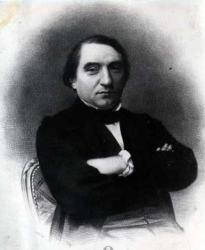
Kuroda Kanichi
 Japan
Japan- Early Life and Influences
- Development of Materialistic Subjectivity
- Political Activism and the Trotskyist Movement
- Prolific Authorship and International Recognition
Early Life and Influences
Shunsuke Kuroda(born in a family of medical professionals) embarked on his independent study of Marxist philosophy in 1947. This was a tumultuous period in Japanese history, marked by American occupation post-World War II. Amidst a resurgent labor movement heavily influenced by Stalinism, Kuroda found inspiration in the works of Japanese scholars like renowned Marxist economist Kozo Uno.
Development of Materialistic Subjectivity
Challenging the dominant Stalinist "materialism" of the 1950s leftist movement, Kuroda developed his own theory: the philosophy of "materialistic subjectivity." Philosopher and linguist Tsutomu Miura significantly influenced his "subjectivist" approach.
Political Activism and the Trotskyist Movement
Following the crushing of the Hungarian Uprising in 1956, Kuroda played a pivotal role in establishing Japan's first Trotskyist organization. In 1959, he became the chairman of the Japanese Revolutionary Communist League.
Prolific Authorship and International Recognition
Kuroda left a legacy of over 50 published books on various Marxist subjects, including analyses of Soviet society, Japanese culture and history, and theories and practices of organizational building. His works gained recognition both in Japan and internationally.