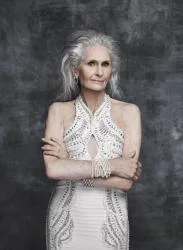
Lucy Pinder
Lucy Pinder built a public career that began in British glamour modelling and gradually expanded into television, film, and podcasting. Born Lucy Katherine Pinder on 20 December 1983 in Winchester, Hampshire, she was discovered by a freelance photographer while spending time at a beach in Bournemouth. A modelling contract with the Daily Star soon brought her national attention, and magazine work made her one of the best-known glamour models in Britain during the 2000s.
Her rise came at a moment when tabloid newspapers and men’s magazines played a major role in shaping celebrity culture. Pinder appeared in publications including FHM, Loaded, and Nuts, and her popularity was reflected in repeated placements in FHM’s annual “100 Sexiest Women” poll. She became associated with the glamour genre, but also developed a profile as a television guest and columnist. For Nuts, she wrote “The Truth About Women,” a column that presented a more conversational side of her public persona.
From Modelling to the Screen
Pinder’s television appearances began in the mid-2000s. She appeared in the football drama Dream Team and took part in entertainment and reality programmes, including I’m Famous and Frightened and The Weakest Link. In 2007 she hosted Book at Bedtime with Lucy Pinder, a television series that mixed reading with her established media presence. She later had a guest role in the drama Hotel Babylon and appeared in factual entertainment programmes such as The Real Hustle.
In 2009 she entered the Celebrity Big Brother house. She became the first contestant evicted that series, leaving after the public vote. Pinder later appeared on Hell’s Kitchen, adding to a television career that moved between reality formats, guest roles, and light entertainment. These appearances kept her in the public eye, while also giving her opportunities to show a personality distinct from the glamour-image that had first made her famous.
Acting and a Changing Public Image
Pinder took on film roles as she pursued acting, making her feature-film debut in the comedy horror Strippers vs Werewolves in 2012. Subsequent credits include the action thriller Age of Kill, the Indian fantasy film Waarrior Savitri, and the horror comedy Fanged Up. She also appeared in the independent comedy Me, Myself and Di and later projects including The Bystanders and Nightmare on 34th Street.
The move into acting required a shift in how audiences and casting professionals viewed her. In interviews, Pinder has discussed the challenge of being taken seriously in a new field when many people already had a fixed idea of her from modelling. Her career illustrates how public familiarity can open doors while also making it harder to change direction. Rather than abandon her earlier work, she has described acting as a further part of a career built across different kinds of entertainment.
Public Causes and Projects
Pinder has supported wildlife conservation, including campaigns connected with TigerTime and the David Shepherd Wildlife Foundation. In 2014, she signed and donated a copy of the final issue of Nuts for a TigerTime charity auction, linking a publication closely associated with her career to fundraising for conservation. She has also lent her profile to charitable initiatives, using the visibility she gained in entertainment to draw attention to causes beyond the screen.
In more recent years, Pinder has explored audio and interview formats. She has hosted Smashing Sundays and appeared as a guest on podcasts discussing her upbringing, the modelling industry, and the process of building a life beyond a single public image. This work gives her more room to speak at length than the short interviews and photo-led features that defined much of her early fame.
Legacy
Lucy Pinder’s career reflects the changing routes available to British media personalities who first become famous through tabloid and magazine culture. She moved from modelling into presenting, reality television, acting, and podcasting, while negotiating the assumptions attached to her early success. Her story is not a conventional rise through theatre or drama school; it is a record of reinvention within popular entertainment, and of the persistence needed to be seen in more than one role.