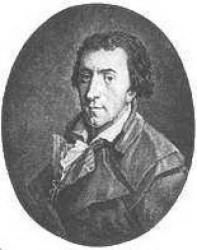
Ludwik Janowicz
 Poland
- Early Life and Education
- Involvement in the "Proletariat" Party
- Arrest and Imprisonment
- Exile and Collaboration with the Polish Socialist Party (PPS)
- Terrorism and Revolutionary Beliefs
- Legacy and Impact
Early Life and Education
Ludwik Janowicz was born on [date] in the village of Lapkasi, in the Kovno Governorate (now Lithuania). He belonged to an aristocratic family. In the early 1880s, he attended the Petrovskaya Academy in Moscow, where he became a leader of the "All-Student Union," which had ties to the "Narodnaya Volya" revolutionary group.
Involvement in the "Proletariat" Party
In 1884, Janowicz moved to Warsaw and joined the "Proletariat" party, a socialist organization committed to revolutionary action. He was elected to the party's Central Committee and played a significant role in its activities. Janowicz was a skilled propagandist and author of numerous proclamations.
Arrest and Imprisonment
On July 18, 1884, Janowicz was arrested while resisting arrest in Warsaw. He was tried in the "Proletariat" trial and sentenced to 16 years of hard labor. He served his sentence in the Shlisselburg Fortress.
Exile and Collaboration with the Polish Socialist Party (PPS)
In 1896, Janowicz was exiled to the Yakutsk Oblast in Siberia. While in exile, he joined the left wing of the PPS and contributed to its newspaper, "Przedswit" ("Dawn").
Terrorism and Revolutionary Beliefs
Janowicz was a strong advocate for terrorism as a means to achieve revolutionary goals. He believed that individuals should not hesitate to sacrifice their lives for the cause of revolution. He planned and participated in several assassination attempts on government officials in Warsaw before his arrest.
Legacy and Impact
Ludwik Janowicz's contributions to the Polish and Russian revolutionary movements were significant. He was a steadfast advocate for socialist ideals and believed that violence was sometimes necessary to achieve them. His legacy continues to inspire revolutionary movements throughout the world.