
Marinos Mitralexis
 Greece
- The Heroic Aviator: Evangelos Mitralexis
- Heroism in the Italo-Greek War
- Recognition and Valor
- Later Career and Legacy
- Tragic End and Lasting Remembrance
The Heroic Aviator: Evangelos Mitralexis
Early Life and Military TrainingEvangelos Mitralexis was born in 1920 in the Greek province of Messenia. He embarked on his military career at the Hellenic Air Force Academy (Ikaros School), graduating in the summer of 1940.
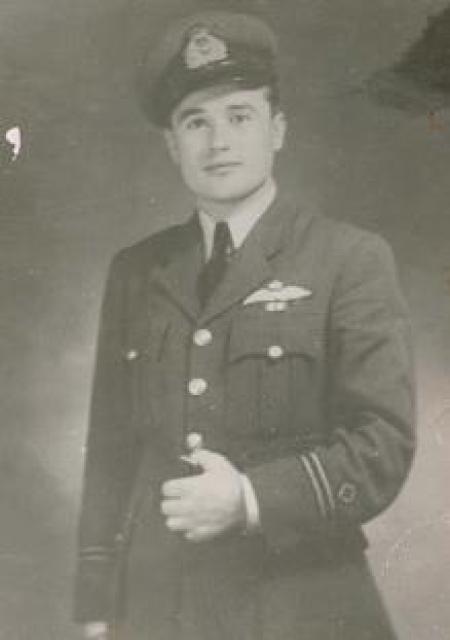
Heroism in the Italo-Greek War
Following the outbreak of the Italo-Greek War, Mitralexis was assigned to the 22nd Fighter Squadron based in Thessaloniki. On November 2, 1940, a group of 27 Italian Savoia-Marchetti SM.79 bombers escorted by Fiat CR.42 fighters approached to bomb Thessaloniki. The Greeks scrambled their PZL P.24 fighters in response.
In the ensuing aerial battle, Mitralexis exhibited extraordinary bravery. He shot down one of the three bombers that were destroyed. As the remaining bombers headed back to their base in Albania, Mitralexis pursued one of them. He maneuvered his PZL P.24 closely behind the bomber and used his propeller to sever its rudder, rendering it uncontrollable.
Despite damaging his own propeller, Mitralexis managed to make an emergency landing near the crash site of the bomber. He emerged from his plane and apprehended four Italian airmen who had parachuted to safety.
Recognition and Valor
Mitralexis's actions earned him the "Golden Cross for Gallantry," the highest award for bravery in the Hellenic Air Force during World War II. He was the only aviation officer to receive this honor during the conflict.
Later Career and Legacy
In 1941, Greece was invaded by Germany. Mitralexis and his comrades evacuated to the Middle East, where they joined the Allied forces. He continued to serve throughout the war, amassing a total of five aerial victories.
Tragic End and Lasting Remembrance
In 1948, Mitralexis tragically perished in the southern Aegean Sea when his Airspeed Oxford aircraft crashed during a routine flight. He is remembered as a national hero, and his bust is displayed at the Hellenic Air Force Base in Elliniko, Athens.
Mitralexis's valor inspired the Greek military and populace, and his exploits were widely celebrated in the press. His image was even featured on a Greek postage stamp. His daring maneuver of using his propeller to incapacitate an enemy bomber was repeated by another Greek pilot, Grigoris Valkanas, on November 18, 1940.


