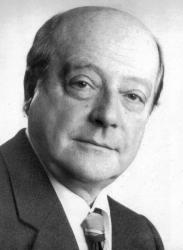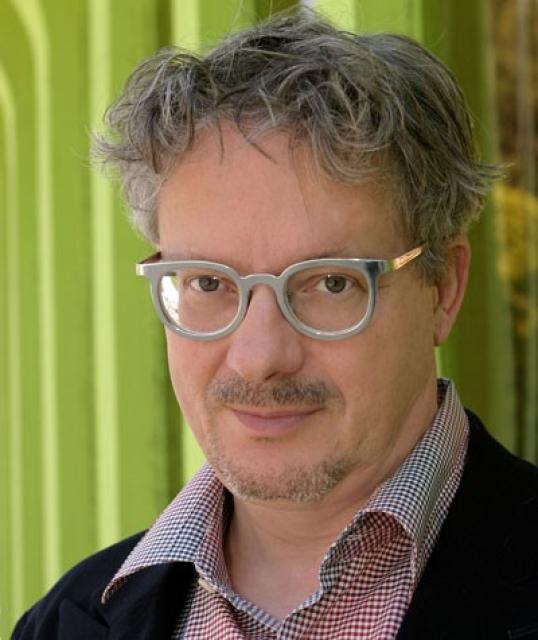
Mark Mothersbaugh
 USA
USA- Mark Mothersbaugh: American Composer and Musician
- Early Life and Music Career
- Film and Television Scores
- "The Sims 2" and "Casino"
- Later Career and Notable Works
- Personal Life and Artistic Obstacles
Mark Mothersbaugh: American Composer and Musician
Born on May 15, 1950, Mark Mothersbaugh is an acclaimed American composer and musician who has contributed to a wide range of media, including soap operas, films, and video games.
Early Life and Music Career
During his college years, Mothersbaugh developed a deep passion for music. Together with Bob Lewis and Jerry Casale, he embarked on musical experiments, creating innovative styles and arrangements. In 1973, their drive led to the formation of the influential band Devo.
Film and Television Scores
Beyond Devo, Mothersbaugh's skills extended to composing soundtracks for films and television series. Notable early works include "Downstream," "Frosty's Return," "Pee-wee's Big Adventure," and "The Adventures of Elmo in Grouchland." His music gained popularity, leading to commissions for popular shows and video games.
"The Sims 2" and "Casino"
In 1995, Mothersbaugh composed the leading theme for the popular video game "The Sims 2." A notable milestone in his film career was his contribution to the soundtrack of Martin Scorsese's "Casino." The film featured a diverse array of composers, including Mick Jagger and Mothersbaugh himself.
Later Career and Notable Works
Mothersbaugh's later works include soundtracks for films such as "Anchorman," "Thirteen," "The Hangover," and "Cloudy With a Chance of Meatballs." His exceptional contributions to films like "New York, I Love You," "Dogtown and Z-Boys," and "Happy Gilmore" have solidified his reputation as a master composer.
Personal Life and Artistic Obstacles
Despite his exceptional achievements, Mothersbaugh faces the challenge of severe visual impairment. Diagnosed as legally blind, he relies on thick corrective lenses to perceive objects. This condition influenced his early aspirations to become a surrealist painter, which he had to abandon due to his limited vision.