Masudzi Ibuse
 Japan
Japan- Biography of Masuji Ibuse
- Early Life and Education
- Literary Career
- World War II and Later Works
- Legacy and Criticisms
Biography of Masuji Ibuse
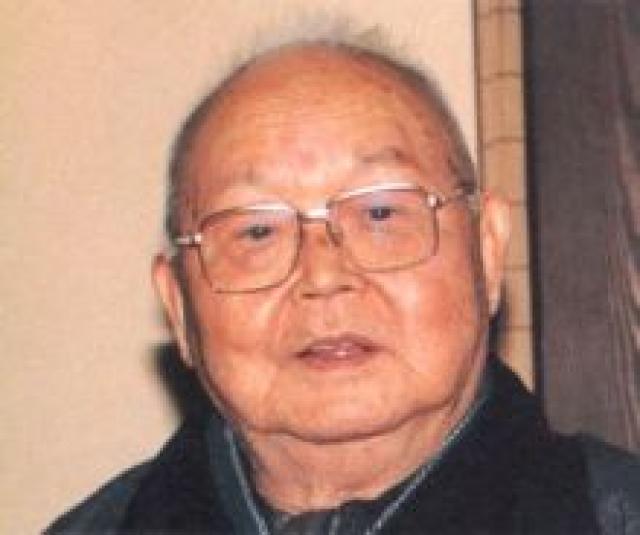
Masuji Ibuse (Japanese: 伊坂撒柔, February 15, 1898 – July 10, 1993) was an outstanding Japanese writer. He was awarded the Naoki Prize in 1937 and the Yomiuri Prize in 1950 and 1971. Ibuse was also honored with the Japan Academy Art Award in 1954, the Noma Award in 1966, and the Imperial Order of Culture in 1966. He was an honorary citizen of Fukuyama and Tokyo.
Early Life and Education
Ibuse was born into a landowning family in Fukuyama, Hiroshima Prefecture. At the age of 19, he enrolled at Waseda University in Tokyo. Initially interested in poetry and painting, Ibuse, like many other Japanese writers of the time, gradually shifted his focus to French literature. During his studies, he experienced sexual harassment from his homosexual teacher, the renowned critic Noburu Katagami, which led to his early departure from the university.
Literary Career
Ibuse began publishing his works in the early 1920s. By the end of the decade, his works gained recognition after receiving favorable reviews from leading literary critics in Japan at that time. His early works were intellectual allegorical fables, characterized by the use of animal allegories, elements of historical novels, and descriptions of rural life.
World War II and Later Works
Ibuse was called up for military service during the Pacific War and was sent to the Japanese-occupied Singapore, where he participated in editing a Japanese-language newspaper. He gained worldwide recognition in 1966 with the publication of his novel "Black Rain." The novel, written in the form of diaries by several characters, provides an introspective account of the atomic bombing of Hiroshima and its aftermath on the life of a young woman slowly deteriorating from radiation sickness. "Black Rain" was awarded the Noma Award and the Imperial Order of Culture. In 1989, the novel was adapted into a film by the acclaimed Japanese film director Shohei Imamura.
Legacy and Criticisms
Despite the widespread acclaim of "Black Rain," there have been critical remarks made about Ibuse's aestheticization of the catastrophe. For example, Kenzaburo Oe questioned the appropriateness of Ibuse's portrayal of the disaster in his analysis of the novel. Ibuse's novel "Black Rain" and several of his short stories have been translated into Russian.