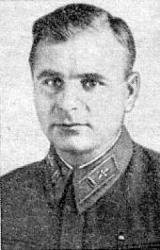
Michael Scott Speiche
 USA
USA- Biography of Michael Scott Speicher
- Early Life and Education
- Gulf War and Disappearance
- Discovery and Investigation
- Changing Status and Legacy
Biography of Michael Scott Speicher
Michael Scott Speicher was a pilot in the United States Navy who tragically lost his life during the Gulf War in 1991. For a long time, he was listed as missing in action, and his fate garnered attention from both the public and the authorities, as it was believed that Speicher may have been captured by the Iraqis.

Early Life and Education
Speicher spent his childhood in Kansas City and later moved to Jacksonville, Florida with his family while he was still in school. He graduated from Florida State University with a degree in accounting. After completing his education, he joined the United States Navy and received training as a fighter pilot.
Gulf War and Disappearance
In late 1990, Speicher served in the VF-81 Fighter Squadron aboard the USS Saratoga in the Red Sea in preparation for the military operation to liberate Kuwait from Iraqi occupation. The operation, known as Operation Desert Storm, began on January 17, 1991. During the first night of combat, Lieutenant Commander Speicher's F/A-18 fighter-bomber was shot down by Iraqi air defense systems. This marked the first loss of coalition aviation in the war. Initially, it was believed that his aircraft was hit by a surface-to-air missile, but after the war, American experts concluded that the F/A-18 was shot down by an air-to-air missile fired by an Iraqi MiG-25, making it the only coalition aircraft lost in aerial combat.
Due to the lack of definitive information about Speicher's fate, he was officially declared missing in action. He was not among the coalition prisoners released by Iraq. In May 1991, Speicher was officially declared killed in action and posthumously promoted to commander.
Discovery and Investigation
In 1993, wreckage of an American F/A-18 aircraft was accidentally discovered in the Iraqi desert. The United States sought assistance from the International Red Cross to negotiate access for American specialists to the crash site. However, due to bureaucratic delays, the Americans were only able to visit the crash site in 1995. Although the examination of the wreckage did not yield any specific results, a nomadic tribe handed over a flight suit that was believed to belong to Speicher. Analysis of the suit concluded that the pilot wearing it was not in the aircraft at the time of the crash, providing indirect evidence that Speicher may have ejected. However, this theory did not progress further at the time.
Changing Status and Legacy
On January 11, 2001, based on a classified report, the United States Navy changed Michael Speicher's status from "killed in action" to "missing in action." This was the first time such a change had been made in the history of the Department of Defense. In 2002, Speicher's case gained political attention, coinciding with the diplomatic preparations for the American military operation against Iraq. The Washington Times published a series of articles on Speicher's story, and his former schoolmates formed an organization called "Friends Working to Free Scott Speicher," believing that he had been captured by Iraq and not returned after the war.
On October 11, 2002, Speicher's official status was changed from "missing in action" to "missing/captured." This implied that Speicher had survived the plane crash and was taken prisoner by Iraq. This change was made based on the absence of any evidence of his death. Following the military operation led by the international coalition, the ruling Iraqi regime was overthrown, and in the aftermath, letters with the initials "MSS," believed to be Speicher's, were found on the walls of the Hakmiya prison in Baghdad. Unnamed sources claimed that Speicher had been held captive in this prison in the mid-1990s. The United States established a special group to investigate Speicher's fate in Iraq, but they concluded their work in May 2004 without obtaining any new information.
In March 2009, Speicher's status was changed back to "missing in action." In August of the same year, it was officially announced that Speicher's remains had been found and identified. In honor of Speicher, the tennis center at Florida National University was named after him. Additionally, an American military base near the Iraqi city of Tikrit, formerly known as Al Sahra Airfield, was renamed to honor him.