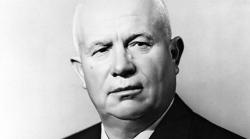
Michael Speransky
 Russia
- Mikhail Mikhailovich Speransky: A Statesman of Progressive Ideas
- Education and Early Career
- Political Reforms
- - Separation of executive, legislative, and judicial powers
- State Reforms
- Financial Reforms
- Opposition and Downfall
- Later Career
- Legacy
Mikhail Mikhailovich Speransky: A Statesman of Progressive Ideas
Mikhail Mikhailovich Speransky (1772-1839) was a renowned Russian statesman known for his ambitious plans for political and social reforms.
Education and Early Career
Speransky was born into a family of priests in Vladimir. He studied at the Vladimir Seminary and later at the Alexander Nevsky Monastery Seminary in St. Petersburg, where he excelled in mathematics, physics, and rhetoric. After graduating, he became a teacher at the seminary and a private secretary to Prince Alexei Borisovich Kurakin.
Political Reforms
In 1797, Speransky joined the General Prosecutor's office under Kurakin and continued to serve under three subsequent prosecutors. When Emperor Alexander I ascended to the throne, Speransky was appointed a state secretary and tasked with drafting a plan for reforming the judicial and governmental systems of the empire.
Speransky's unpublished draft plan outlined a vision of a "correct monarchical state" based on the principles of:
- Free and participatory involvement of all social classes in legislation
- Separation of executive, legislative, and judicial powers
- An independent legislature elected by the people- A system of codified civil and criminal laws
- Impartial and public trials
- Freedom of the press within defined limits
These ideas faced resistance from conservatives and aristocrats, notably Nikolai Karamzin, who argued that autocracy was essential for Russia.
State Reforms
In 1808, Speransky was appointed Assistant Minister of Justice and became involved in a range of reform initiatives. He drafted a comprehensive civil code, heavily influenced by the Napoleonic Code, although it contained some unique features. He also proposed changes to the Senate, advocating for a separation between a legislative Senate and a judicial Senate.
Financial Reforms
Speransky's efforts extended to the financial realm as well. In 1810, he helped develop a plan to reduce government expenses, increase revenue, and manage the national debt. He established a commission for the repayment of state debts and oversaw the preparation of a new customs tariff.
Opposition and Downfall
Speransky's ambitious reforms encountered resistance from the aristocracy and bureaucracy, who resented his proposals to limit their privileges. In 1812, he was accused of corruption and exiled to Nizhny Novgorod.
Later Career
After his exile, Speransky held various positions in the government, including governor of Penza and Siberia. He continued to work on legal and administrative reforms, but his influence was diminished. He died in 1839.
Legacy
Mikhail Speransky is remembered as a brilliant statesman who attempted to modernize and liberalize Russia. His ideas, though not fully realized, influenced later reformers and left a lasting mark on Russian history.