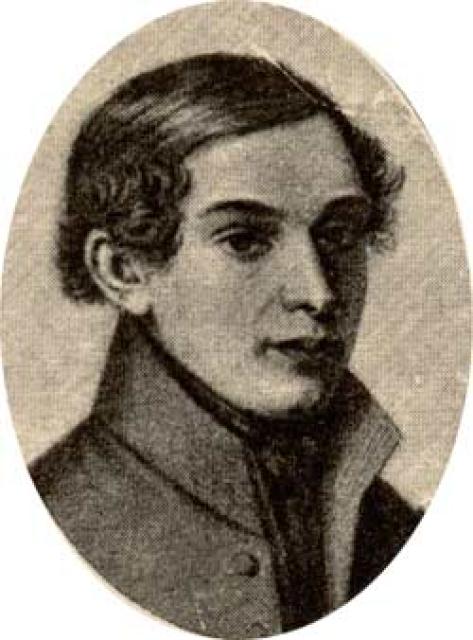
Mihael Glebov
 Russia
- Nikolai Nikolaevich Glebov: A Decembrist in Exile
- Career and Political Involvement
- Arrest and Imprisonment
- Trial and Sentencing
- Exile
- Death and Legacy
Nikolai Nikolaevich Glebov: A Decembrist in Exile
Early Life and EducationNikolai Nikolaevich Glebov was born into a noble family. His father was a collegiate councilor, and his mother owned an estate in Kursk province. Glebov received his education at the University of St. Petersburg, where he graduated in 1821.
Career and Political Involvement
Glebov began his career as a civil servant in the Ministry of Justice. In 1824, he joined the State Commission for Repayment of Debts as an assistant secretary. However, Glebov was not a member of any secret societies and did not actively participate in political activities.
Arrest and Imprisonment
Despite his lack of involvement in conspiracies, Glebov was arrested after the December 14, 1825 uprising, known as the Decembrist Revolt. He was charged with being an accomplice to the rebellion on Senate Square. Glebov was imprisoned in the Peter and Paul Fortress for seven months.
Trial and Sentencing
Glebov's trial resulted in a sentence of 10 years of hard labor. However, the sentence was later reduced to 6 years. In February 1827, he was sent to Siberia to serve his punishment.
Exile
Glebov arrived at the Petrovsky Plant in Siberia in September 1830. He was released from prison in August 1832 and sent to the village of Kabanskoye in Irkutsk province. He remained there for the rest of his life, despite repeated attempts to relocate.
Death and Legacy
Nikolai Nikolaevich Glebov died in Kabanskoye in 1843. The circumstances of his death were suspicious, reportedly involving assault and poisoning. He is remembered as a Decembrist who did not belong to any secret societies but was caught up in the political turmoil of his time.


