Mohammad Mosaddegh
- A constitutionalist enters politics
- The oil nationalization crisis
- The coup and years in confinement
- A lasting national symbol
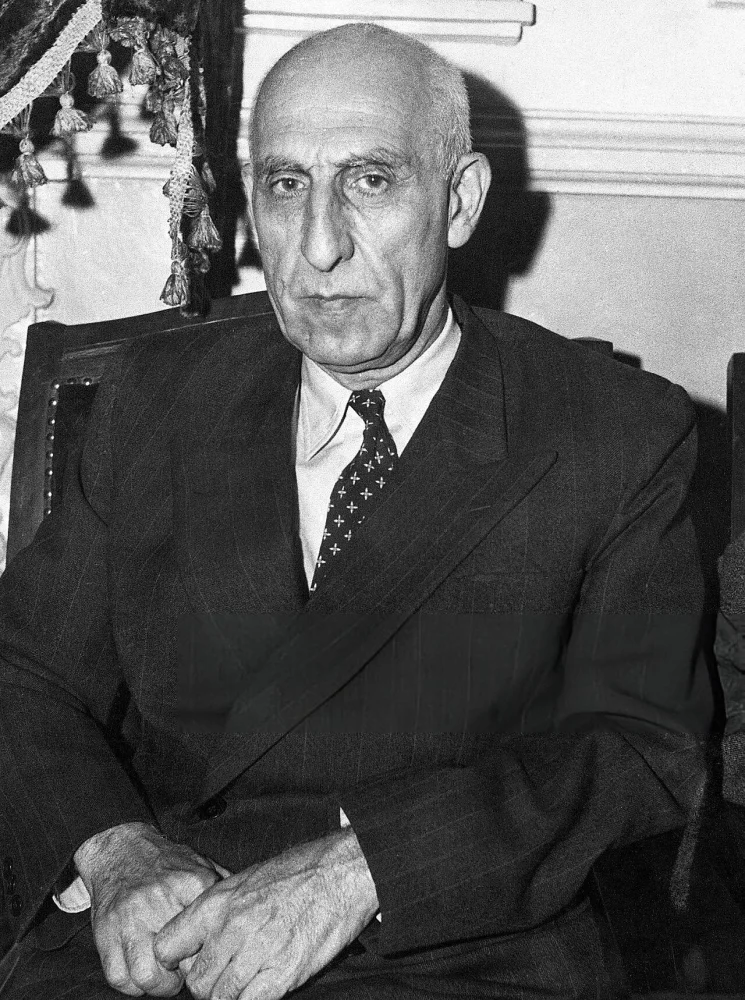
Mohammad Mosaddegh became the most recognizable face of Iran’s struggle for control over its natural resources and constitutional government. A lawyer and longtime politician, he led the country from 1951 until a coup removed him in 1953. His push to nationalize the British-controlled oil industry made him a national hero to many Iranians and brought him into a confrontation with Britain, the United States, and Iran’s shah that reshaped the country’s modern history.
A constitutionalist enters politics
Born in Tehran on June 16, 1882, Mosaddegh came from an influential family connected to the Qajar court. He studied law in Europe and earned a doctorate from the University of Neuchâtel in Switzerland. The Constitutional Revolution of 1905–11, which sought to limit royal authority and establish representative government, helped define his political outlook.
Mosaddegh held a series of public offices, including provincial governorships and ministerial posts. In parliament, he opposed efforts to transfer the crown from the Qajar dynasty to Reza Khan, later Reza Shah Pahlavi, arguing that the move would undermine Iran’s constitution. During Reza Shah’s rule he was largely shut out of politics and spent years under restriction. After the shah abdicated in 1941, Mosaddegh returned to public life and became a leading figure in the National Front, a coalition advocating constitutionalism and Iranian control of national resources.
The oil nationalization crisis
In April 1951, parliament selected Mosaddegh as prime minister and enacted a law nationalizing the Anglo-Iranian Oil Company, whose British-controlled operations dominated the country’s oil industry. For Mosaddegh and his supporters, nationalization represented sovereignty and a fairer share of Iran’s wealth. Britain rejected the takeover, imposed economic pressure, and pursued legal and diplomatic efforts to reverse it. The resulting confrontation brought oil production and exports to a near standstill and strained Iran’s finances.
Mosaddegh took Iran’s case to international forums, including the United Nations and the International Court of Justice. At home, he sought emergency powers and in 1952 briefly resigned during a dispute with Shah Mohammad Reza Pahlavi over control of the armed forces. Mass demonstrations helped bring him back to office. His government loosened political restrictions in some areas, though his use of expanded powers and his conflict with parliament and the palace drew criticism, even among former allies.
The coup and years in confinement
On August 19, 1953, a coup organized with British and American intelligence support, alongside Iranian political and military actors, overthrew Mosaddegh’s government and strengthened the shah’s rule. The overthrow followed an earlier failed attempt and unfolded amid intense political conflict, economic hardship, and fears of Communist influence. Historians continue to examine the motives and actions of the diverse participants, but the involvement of the CIA and Britain’s MI6 is established in declassified records.
Mosaddegh was tried by a military court and sentenced to three years in prison. After his release, he was confined to his home in Ahmadabad and remained under house arrest until his death on March 5, 1967. He was buried there rather than in Tehran, as he had wished.
A lasting national symbol
The coup ended the immediate experiment in Mosaddegh’s premiership but did not erase the issues that had propelled him into power. His name remained closely associated with national independence, the constitutional movement, and the right of Iranians to govern their own resources. Supporters remember him as a principled public servant who challenged foreign control; critics point to the political strains and confrontational choices of his government. His rise and removal continue to shape how Iranians and observers understand the relationship between domestic politics, oil, and foreign intervention.