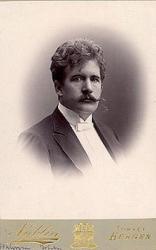
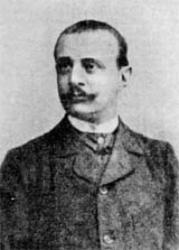
Moritz Moszkowski
 Poland
- Moritz Moszkowski, a Polish-German Prodigy
- Early Life and Career
- A Rising Star
- Major Works
- - Opera:"Boabdil" (1892)
- Concert Virtuoso and Conductor
- Legacy and Impact
Moritz Moszkowski, a Polish-German Prodigy
Moritz Moszkowski, the renowned German composer, pianist, and conductor, was born on August 23, 1854, in Breslau (now Wroclaw), Poland.
Early Life and Career
Moszkowski demonstrated an extraordinary musical talent from a young age, excelling as a pianist and composer. He began his formal training in Berlin, where he studied at the prestigious New Academy of Music under renowned педагоgue Theodor Kullak.
A Rising Star
Moszkowski's prodigious abilities quickly gained recognition. In 1897, he relocated to Paris, where he established himself as a prominent figure in the city's vibrant musical scene. His compositions, characterized by their lyrical melodies and virtuosic complexity, captured the attention of audiences and critics alike.
Major Works
Moszkowski's extensive repertoire includes a diverse array of works, including operas, ballets, concertos, and chamber music. Notable compositions include:
- Opera:"Boabdil" (1892)
- Ballet:"Laurin" (1896)- Concertos:Violin Concerto, Piano Concerto
- Orchestral Suites:Two Suites for Orchestra
- Chamber Music:Three Pieces for Cello and Piano
- Piano Music:Numerous compositions for piano two-handed and four-handed, including the popular "Spanish Dances"
Concert Virtuoso and Conductor
Moszkowski's talents extended beyond composition. He was an accomplished pianist and conductor, delighting audiences with his masterful performances. He toured extensively as a concert virtuoso, showcasing his exceptional technique and expressive artistry.
Legacy and Impact
Throughout his illustrious career, Moszkowski's music has left an enduring legacy in the classical repertoire. His works continue to be performed and appreciated by musicians and audiences worldwide. He passed away in Paris on March 4, 1925, leaving behind a rich musical heritage that celebrates the brilliance of Polish-German musical culture.