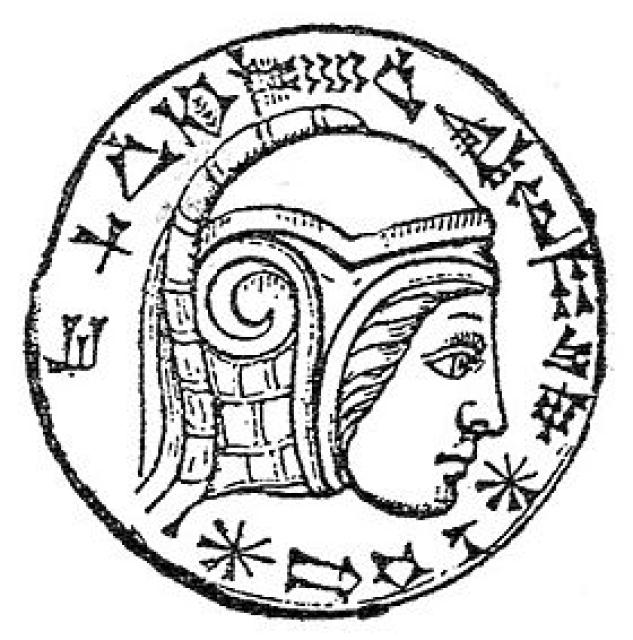
Nabukudurruitsur II
 Iraq
Iraq- Neb cadnezzar II: King of Babylon
- Early Life and Military Accomplishments
- Conquest of Judah
- Siege of Tyre and Expansion
- Transformation of Babylon
- Legacy and Successors
Neb cadnezzar II: King of Babylon
Neb cadnezzar II was the king of the Neo-Babylonian Empire from 604 to 562 BCE. His reign marked a period of great expansion and prosperity for Babylonia.
Early Life and Military Accomplishments
Born as Nebu-kudurri-usur, Neb cadnezzar was the son of Nabopolassar, the founder of the Neo-Babylonian Empire. He actively participated in military campaigns against Assyria alongside his father. In 607 BCE, he was appointed commander of the Babylonian forces.
In 605 BCE, Neb cadnezzar led a decisive victory over the remnants of the Assyrian army at the Battle of Carchemish, effectively ending the Assyrian Empire. This victory established Babylonia as the dominant power in Mesopotamia.
Conquest of Judah
Neb cadnezzar's attention then turned towards Judah, which had allied itself with Egypt. In 597 BCE, he besieged Jerusalem, the capital of Judah, and captured it. He exiled the Jewish king, Jehoiakim, and 3,000 other prisoners to Babylon.
Despite its new ruler, Zedekiah, Judah rebelled in 588 BCE. Neb cadnezzar returned and laid siege to Jerusalem again. In 586 BCE, the city was captured, and Neb cadnezzar ordered the destruction of the Temple of Yahweh. He also exiled a large portion of the Jewish population to Babylon.
Siege of Tyre and Expansion
Neb cadnezzar unsuccessfully besieged the city of Tyre for thirteen years. However, he made significant gains in other areas, conquering northern Arabia and extending Babylonian control over trade routes.
In 569 BCE, he launched an expedition to Egypt, but its success is debated. Nonetheless, Babylonia remained a major power in the region.
Transformation of Babylon
Neb cadnezzar's reign was marked by impressive architectural achievements. He fortified Babylon with three walls and numerous towers. He also constructed a vast system of canals and reservoirs to protect the city from flooding.
He built a magnificent new palace complex, which included the iconic Ishtar Gate. According to legend, he also built the famous Hanging Gardens of Babylon for his wife, Amytis.
Legacy and Successors
Neb cadnezzar II's reign ushered in a golden age for Babylonia. He expanded the empire, promoted trade, and transformed Babylon into a thriving metropolis. His legacy as one of the greatest kings of the ancient world continues to be celebrated today.
After Neb cadnezzar's death in 562 BCE, his son Amel-Marduk ascended to the throne but was assassinated in a palace coup. He was succeeded by Neriglissar, Neb cadnezzar's son-in-law. After Neriglissar's reign, his young son, Labashi-Marduk, ruled briefly before being overthrown by the Babylonian priesthood.