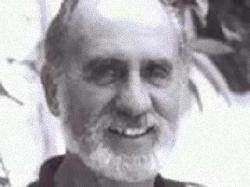
Nikolay Cochin
- Nikolai Ivanovich Kochetkov: A Literary Trailblazer
- Early Life and Education
- Literary Beginnings
- Growing Recognition
- Witnessing Collectivization
- Political Turmoil
- Rehabilitation and Triumph
- Literary Legacy
- Enduring Impact
- Memorialized in Nizhny Novgorod
Nikolai Ivanovich Kochetkov: A Literary Trailblazer
Nikolai Ivanovich Kochetkov, a renowned Russian and Soviet writer, played a significant role in capturing the tapestry of life in Nizhny Novgorod and beyond.
Early Life and Education
Born into a peasant family on July 2, 1902, in Gremyachya Polyana, Kochetkov's childhood experiences shaped his worldview. Despite enduring poverty and hardships, he excelled academically, completing rural school and later studying at the initial school in Dalnee Konstantinovo.
Literary Beginnings
Kochetkov's writing career commenced in 1925. He gained prominence with his first major novel, "Dyevki," in 1928, which depicted the lives of peasants on the eve of collectivization. In the same year, he relocated to Nizhny Novgorod.
Growing Recognition
Kochetkov's work garnered critical acclaim. In 1934, he attended the First All-Union Congress of Soviet Writers and was elected to the Audit Commission of the Soviet Writers' Union. Encountering Maxim Gorky further inspired his writing.
Witnessing Collectivization
Initially enthusiastic about the establishment of collective farms, Kochetkov's views gradually shifted. In his novella "Tarabara" and unpublished "Village Diary," he portrayed the discontent among collective farmers.
Political Turmoil
Kochetkov joined the Communist Party in 1940 and became the responsible secretary of the Gorky branch of the Soviet Writers' Union in 1941. However, in 1943, he was arrested on charges of anti-Soviet propaganda and involvement in an anti-Soviet organization. Sentenced to 10 years in prison, he was exiled to Kazakhstan.
Rehabilitation and Triumph
After Stalin's death in 1953, Kochetkov was exonerated and reinstated in the Soviet Writers' Union and the Communist Party. He returned to writing, shifting his focus to historical and patriotic themes. The novel "Svyatoslav" about the Kievan Prince Svyatoslav was published posthumously.
Literary Legacy
Kochetkov's works predominantly revolve around the Nizhny Novgorod region and his hometown. He initially depicted village life through his own experiences but later reflected societal changes, such as collectivization. His writing expanded to include themes of forced labor after his imprisonment and the importance of patriotism in his later years.
Enduring Impact
Kochetkov's contributions extend beyond fiction. He left behind a wealth of historical and sociological insights about Nizhny Novgorod through his publicistic writings. His legacy continues to inspire and inform readers about the complexities of Soviet society.
Memorialized in Nizhny Novgorod
Kochetkov's passing in 1983 was mourned by the literary community. He was honored as a respected citizen of Nizhny Novgorod and buried in the city's Bugrovskoye Cemetery.