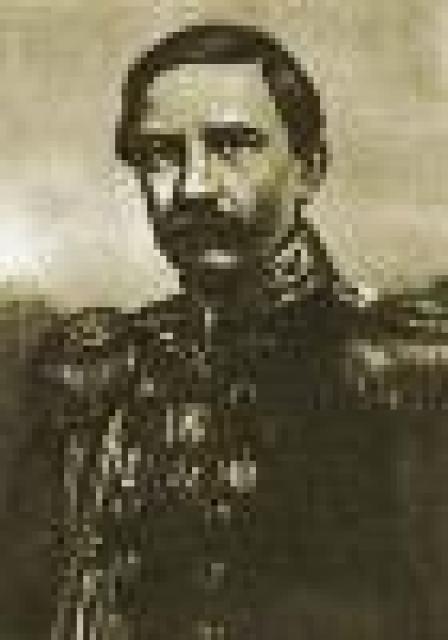
Otto Sverdrup
 Sweden
- Otto Sverdrup: A Life of Arctic Exploration
- "Fram" Expedition
- Second "Fram" Expedition
- Discoveries in Ellesmere Island
- North American Arctic Archipelago
- Completion of Ellesmere Island
- Legacy
Otto Sverdrup: A Life of Arctic Exploration
Early Life and ExpeditionsOtto Sverdrup, a renowned Norwegian polar explorer, was born on October 31, 1854, in Bodo, Norway. His passion for exploration emerged early on, and he embarked on his first Arctic expedition in 1888, accompanying Fridtjof Nansen on a ski traversal of Greenland's ice cap.
"Fram" Expedition
In 1893, Sverdrup assumed the role of captain on Nansen's renowned "Fram" expedition, which aimed to drift across the Arctic Ocean. During this three-year journey, Sverdrup gained invaluable Arctic knowledge and a deep appreciation for the "Fram," which he later described as an exceptional vessel.
Second "Fram" Expedition
After the "Fram" expedition, Sverdrup led the Second "Fram" Expedition from 1898 to 1902. Funded by three Norwegian businessmen, the expedition's primary objective was to explore the uncharted regions of the Western Arctic.
Discoveries in Ellesmere Island
During the winter of 1898-1899, Sverdrup explored Ellesmere Island, correcting inaccuracies on existing maps and discovering two large fjords on the island's southern coast. Subsequent expeditions by Sverdrup and his crew further mapped Ellesmere Island, confirming the presence of a large body of water to its west, later named the Norwegian Bay.
North American Arctic Archipelago
Sverdrup's expedition significantly expanded the knowledge of the North American Arctic Archipelago. In 1900, they passed through "Hell Gate" into the Norwegian Bay and discovered a new landmass west of Ellesmere Island. This archipelago, dubbed the Sverdrup Islands, consisted of two major islands, Amund Ringnes and Ellef Ringnes, named after the expedition's sponsors.
Completion of Ellesmere Island
By 1902, Sverdrup's team had completed the exploration of Ellesmere Island's western coast, a remarkable feat that had eluded previous explorers. They also explored the Eureka Sound, discovering two large peninsulas along its course.
Legacy
Otto Sverdrup's expeditions played a pivotal role in shaping the map of the Arctic. His discoveries, including Ellesmere Island, the Sverdrup Islands, and numerous other geographical features, cemented his legacy as one of the greatest polar explorers of all time. His exceptional leadership and the dedication of his team left an enduring mark on the history of Arctic research.



