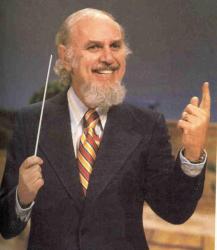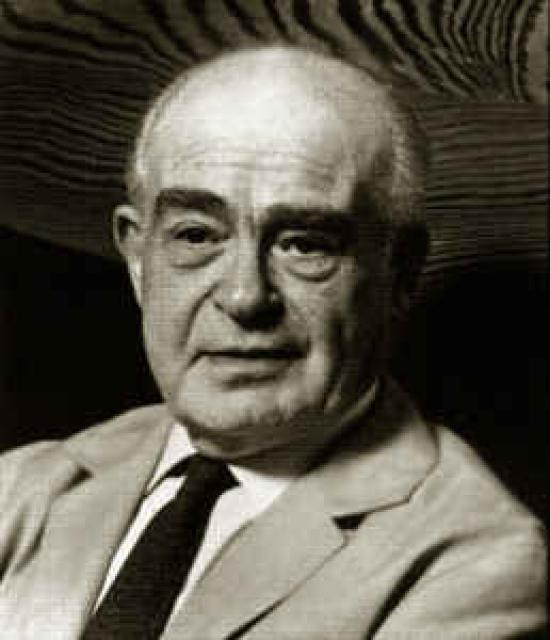
Paul Kletzki
 Poland
- Paul Kletzki: A Visionary Conductor and Composer
- Berlin and Furtwängler's Mentorship
- Exile and Composition
- Cessation of Composition
- Post-War Triumphs as a Conductor
Paul Kletzki: A Visionary Conductor and Composer
Early Life and EducationPaul Kletzki was born into a Jewish family in Poland. At the tender age of 14, he began playing the violin in a local orchestra. His musical education continued at Warsaw University, where he pursued philosophy, violin studies with Emil Mlynarski, and composition with Juliusz Wertheim.
Berlin and Furtwängler's Mentorship
In 1921, Kletzki moved to Berlin. There, he found mentorship in the renowned conductor Wilhelm Furtwängler, who supported his aspirations in conducting. In 1925, Furtwängler granted Kletzki the opportunity to conduct the Berlin Philharmonic Orchestra.
Exile and Composition
With the rise of Nazism in Germany, Kletzki's Jewish heritage forced him to leave in 1933. He sought refuge in Italy, the Soviet Union, and ultimately settled in Switzerland. During his exile, he became the first head of the conducting class at the Lausanne Conservatory. He also completed his Third Symphony in 1939, dedicated to the victims of Nazism. Other notable compositions include two string quartets, a sonata for violin and piano, and other symphonic and chamber works.
Cessation of Composition
In 1942, Kletzki abruptly ceased composing. He confided that the horrors of Nazism had shattered his spirit and extinguished his creative drive.
Post-War Triumphs as a Conductor
In the aftermath of World War II, Kletzki emerged as a masterful conductor, gaining particular acclaim for his interpretations of Mahler and Sibelius symphonies. He led prestigious orchestras, including the Liverpool Philharmonic Orchestra (1954-1955), the Dallas Symphony Orchestra (1958-1961), the Bern Symphony Orchestra (1964-1966), and the Orchestre de la Suisse Romande (1966-1970).