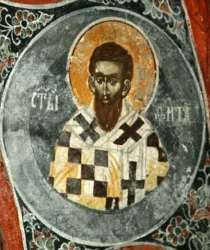
Paul Miki
Paul Miki was a Japanese Jesuit whose preaching and death made him one of the best-known figures in the early history of Christianity in Japan. At a time when the faith was spreading through the country but facing growing political suspicion, he became a respected teacher and evangelist. In 1597, he was executed in Nagasaki with twenty-five other Christians, a group later known as the Twenty-Six Martyrs of Japan.
A Jesuit Education
Miki was born into a Japanese family of standing, probably near Kyoto, around 1564. Japan’s Christian communities had grown since the arrival of European missionaries, and Jesuits established schools to educate local converts and prepare Japanese men for religious service. As a young man, Miki studied at a Jesuit seminary in Azuchi and entered the Society of Jesus in 1586.
He became known as a compelling preacher. Miki spoke to Japanese audiences about Christianity in their own cultural setting, and his training prepared him to explain the faith in public debate. He was still a Jesuit scholastic rather than an ordained priest when his life was interrupted by a wave of persecution.
A Changing Political Climate
Toyotomi Hideyoshi, the military ruler who brought much of Japan under his authority, issued an order in 1587 calling for foreign missionaries to leave. Its enforcement was uneven, and Jesuits continued their work, but the decree made the Christian mission increasingly precarious. Hideyoshi and other leaders viewed the foreign faith and its growing communities with concern, particularly amid international rivalries and fears about outside influence.
In late 1596, authorities arrested Miki along with other Christians in the Kyoto and Osaka region. The group included Jesuits, Franciscan missionaries, and Japanese lay believers. They were publicly punished and forced on a long journey to Nagasaki, where the authorities intended to make an example of them.
The Twenty-Six Martyrs
On February 5, 1597, Miki and his companions were crucified on a hill outside Nagasaki. They were then killed with spears. The group’s twenty-six members included six Franciscan missionaries, three Japanese Jesuits, and seventeen Japanese laypeople. Miki was among the youngest of the Jesuits and the best-known Japanese member of the party.
Jesuit accounts describe him preaching from the cross and forgiving those responsible for his death. Such accounts were written within a religious tradition that commemorated the martyrs’ witness, but they also preserve the lasting image of Miki as a preacher who met his final hours with composure. His execution did not end Christianity in Japan; communities continued to worship, often under conditions of secrecy and danger.
Legacy
The Catholic Church canonized Miki and his companions in 1862. Their story became a defining memory for Japanese Catholics and a symbol of the human cost of religious persecution. Miki is remembered not only for the manner of his death, but for the work that preceded it: a Japanese Christian trained to teach, persuade, and lead in a faith community navigating a rapidly changing political world.