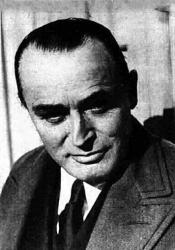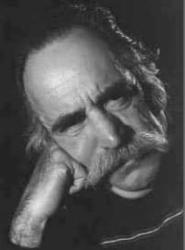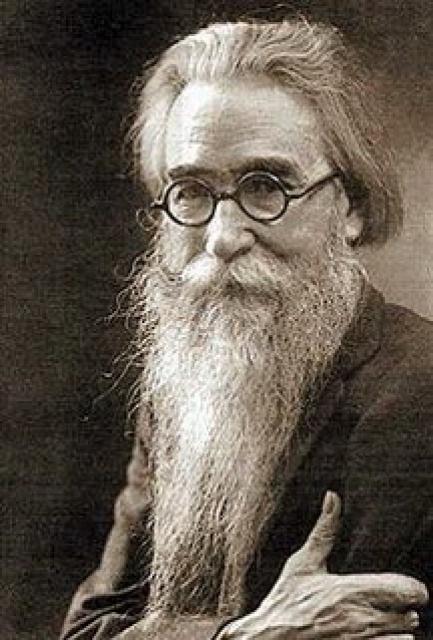
Ramon Maria del Valle-Inclan
 Spain
Spain- Ramón María del Valle-Inclán
- Literary Career
- Historical and Grotesque Novels
- Political Activism and Exile
- Return to Spain and Death
- Translation and Legacy
Ramón María del Valle-Inclán
Early Life and EducationRamón del Valle-Inclán was born into a noble family in Vilanova de Arousa, Spain, in 1866. He studied law at the University of Santiago de Compostela and simultaneously pursued his passion for art at the School of Arts and Crafts.
Literary Career
Valle-Inclán's literary career began with the publication of short stories and articles in periodicals. His early works were influenced by Spanish-American modernism, particularly the poetry of Rubén Darío. In 1896, he moved to Madrid and established himself as a prominent member of the Generation of '98.
Historical and Grotesque Novels
Valle-Inclán's second literary period saw the emergence of historical novels, such as "La guerra carlista" (1908), and dramas about Spanish rural life. In his third period, he created the genre of "esperpentos," grotesque and farcical plays that satirized Spanish society and history. This period also marked the publication of his political satire, "Tirano Banderas" (1926).
Political Activism and Exile
Valle-Inclán actively participated in political life, opposing the dictatorship of Primo de Rivera and joining the Radical Republican Party. He was imprisoned in 1929 and appointed Director of the National Artistic Heritage in 1932. In 1933, he was named Director of the School of Fine Arts in Rome.
Return to Spain and Death
Valle-Inclán returned to Spain in 1935 and passed away in Santiago de Compostela in 1936 due to cancer. He was a prominent figure in the Republican government and an honorary president of the Association of Friends of the USSR.
Translation and Legacy
Valle-Inclán was also a prolific translator, working on works by authors such as Eça de Queiroz and Alexandre Dumas. His own literary works continue to be celebrated for their unique style, insightful social commentary, and groundbreaking experimentation with form.