Ricardo Baroja y Nessi
 Spain
SpainBiography of Ricardo Baroja y Nessi
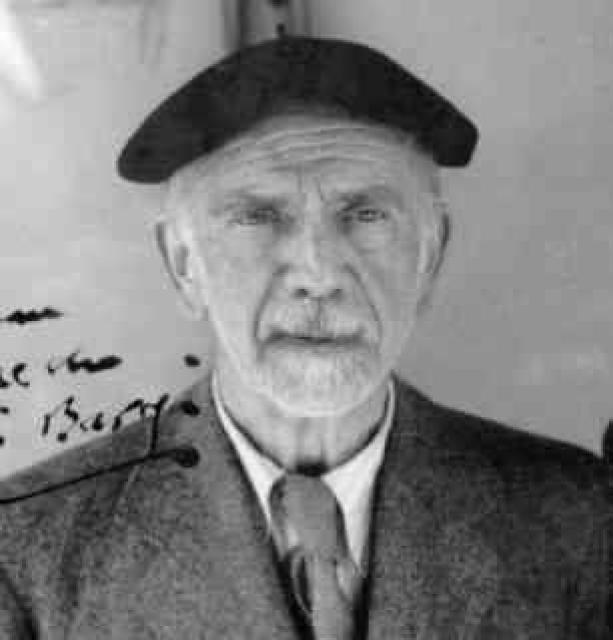
Ricardo Baroja y Nessi was a Spanish artist, writer, and engraver, often considered as the unique successor to Goya in the field of engraving. He was born in the ancient mining village of Rio Tinto to Serafin Baroja, a mining engineer, and grew up with his siblings Pío Baroja, a writer, and Carmen Baroja, an ethnologist and writer. However, their family returned to San Sebastian shortly after Ricardo's birth when the Rio Tinto mines were sold to a British-Australian consortium.
In 1879, the Baroja family moved to Madrid, where Ricardo initially studied mining engineering at the Polytechnic School of Engineering. However, his studies were interrupted by a severe tuberculosis attack, which led him to reconsider his career choice. Already at that time, Ricardo had a strong interest in art and even attended an art academy for a while. In 1890, he embarked on a journey to Malaga and Valencia, where he met the artist Julio Peris Brell.
In 1894, Ricardo returned to Madrid to assist his aunt Juana Nessi in managing a bakery after her husband passed away. His younger brother Pío also joined them, although their contribution to the bakery was limited as they were more interested in art. In 1896, Ricardo learned about the secrets of etching and engraving, which eventually led him to work in local archives after his aunt's death. However, Ricardo's true passion was museums, and he soon left his job to pursue a bohemian lifestyle.
Ricardo Baroja was part of the "Generation of '98," a group of writers, artists, musicians, and philosophers deeply disillusioned with the state of their country. Spain was gradually losing its former status as a great empire, and the moral, political, and spiritual fronts were deteriorating. Making a living through art and literature was challenging during that time, and Ricardo even organized a small expedition to abandoned mercury mines with his friend Ramón del Valle-Inclán, hoping to find treasures. However, the journey was uneventful, except for an accidental gunshot wound suffered by his friend.
On March 31, 1901, Ricardo Baroja, along with Pablo Picasso and Francisco de Asís Soler, started publishing the magazine "Arte Joven." In 1903, Ricardo and his brother traveled to Morocco as war correspondents for the magazine "El Globo." In 1910, Ricardo founded the Society of Spanish Engravers and actively explored writing alongside drawing and engraving. In 1919, at the age of 48, he married his loyal friend Carmen Monné.
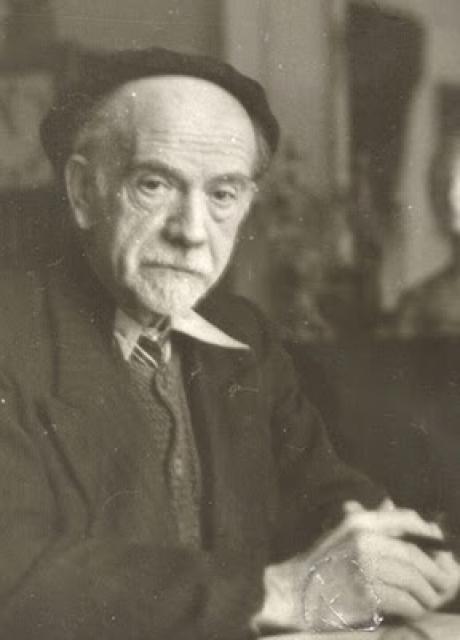
The Spanish Civil War drastically changed Ricardo's life. During the bombing, his home and complete collection of literary works were destroyed. After the war, he painted several works on military themes. Ricardo Baroja passed away on December 19, 1953, from tongue cancer, likely caused by his excessive pipe smoking. Despite the challenges he faced, Baroja's passion for art and his contributions to engraving and literature remain significant.