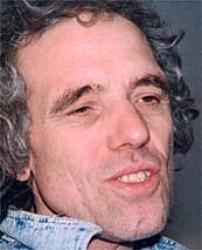
Richard Lester
 USA
USA- Richard Lester: Master of Eccentric Cinema
- Television and Absurdist Humor
- The Running, Jumping, and Standing-Still Film
- A Hard Day's Night
- The Knack... and How to Get It
- Help!
- Anti-War Satire and Surrealism
- Genre Cinema and Beyond
- Legacy
Richard Lester: Master of Eccentric Cinema
Early Life and CareerRichard Lester was born on January 19, 1932, in Philadelphia. After graduating from the University of Pennsylvania, he pursued a career in music, writing songs and performing in a band. In 1954, Lester left the United States and settled in England in 1956.
Television and Absurdist Humor
In England, Lester found success in television, creating comedy programs that showcased his unique brand of absurdist humor. His collaborations with Peter Sellers were particularly notable, including the popular "The Goon Show."
The Running, Jumping, and Standing-Still Film
Lester's first short film, "The Running, Jumping, and Standing-Still Film" (1960), established the aesthetic that would characterize his later work. Featuring fragmented editing, unusual camera angles, and surrealist humor, the film proved to be a blueprint for his future projects.
A Hard Day's Night
Lester's breakthrough film was "A Hard Day's Night" (1964), a documentary-style portrayal of the Beatles. The film cleverly captured the band's off-stage antics and live performances, revolutionizing the aesthetics of music videos and setting the stage for the "British Invasion."
The Knack... and How to Get It
"The Knack... and How to Get It" (1965) further showcased Lester's technical innovations. The film, which explored the themes of youth and love in swinging London, won the Palme d'Or at the Cannes Film Festival.
Help!
With "Help!" (1965), Lester pushed the boundaries of full-length comedy filmmaking. The film's highly stylized, music-driven narrative anticipated the advent of music videos and remains a classic example of the genre.
Anti-War Satire and Surrealism
Lester's later work included anti-war satires such as "How I Won the War" (1967) and surrealist fantasies like "The Bed Sitting Room" (1969). These films displayed his continued experimentation with form and his incisive commentary on social issues.
Genre Cinema and Beyond
Throughout his career, Lester continued to work in various genres, from thrillers and westerns to big-budget fantasies. Notably, he directed the "Three Musketeers" trilogy, which featured a distinctive blend of action and humor.
Legacy
Richard Lester's unique and influential style has left a lasting mark on cinema. His mastery of eccentric humor, visual experimentation, and thematic depth has inspired generations of filmmakers and helped shape the landscape of popular culture.