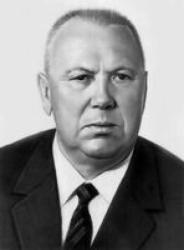
Saburo Kawamoto
 Japan
Japan- Early Life and Education
- Involvement in the Murder Case
- Arrest and Sentencing
- Literary and Critical Career
Early Life and Education
Born and raised in Tokyo, Kazuo Kawamoto graduated from the law faculty of the University of Tokyo. Despite initially unsuccessful attempts, he eventually secured employment at the Asahi Shimbun newspaper. Kawamoto rose through the ranks, becoming an editor for Gekkan Asahi and Asahi Janaru.
Involvement in the Murder Case
Kawamoto's promising career took an unexpected turn in 1971. He initiated contact with a suspect in the murder of a Self-Defense Force soldier by new leftists. Gathering material for an article evolved into a friendship. The suspect recited poetry by Kenji Miyazawa and sang "Have You Ever Seen the Rain?" by Creedence Clearwater Revival. Feeling deep sympathy, Kawamoto assisted in destroying evidence and planning a campaign to exonerate the killer. However, the suspect was arrested in November 1971, exposing Kawamoto's involvement.
Arrest and Sentencing
Kawamoto was arrested in January 1972 and subsequently dismissed from Asahi Shimbun. In September 1972, a court sentenced him to two years in a correctional facility. He was released early after ten months for good behavior. This period of his life is chronicled in his autobiography, "My Last Page," which was adapted into a 2010 film written by Kawamoto.
Literary and Critical Career
After his release, Kawamoto became an active literary, film, and urban writer. He joined the editorial board of the magazine "Tokujin" ("Tokyo Resident"), comparable to The New Yorker. Kawamoto was a vocal supporter of Haruki Murakami's work when it was disregarded by Japan's literary establishment. However, he later became a harsh critic of Murakami, especially after the publication of "Kafka on the Shore." Kawamoto authored numerous essays on the writings of Kenzaburo Oe, highlighting their grotesque elements and departure from the tradition of "shishosetsu." He also gained recognition as a translator of American literature, including Truman Capote.