Sandford Fleming
 Canada
- Biography of Sandford Fleming
- Contributions to the Canadian Railway
- Transcontinental Railway and Time Zones
- Later Life and Legacy
Biography of Sandford Fleming
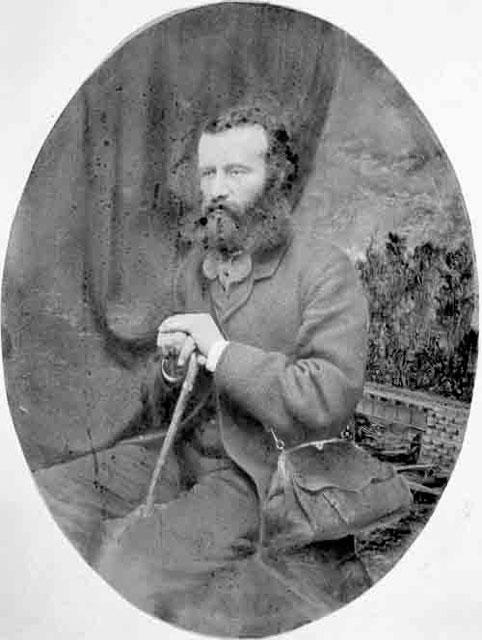
Early Life and CareerSandford Fleming was a Canadian inventor and engineer of Scottish descent. He was born in Kirkcaldy, Fife, Scotland and at the age of 14, he became an assistant surveyor. When he was 18, he moved to Canada with his older brother David. They traveled around Canada and eventually settled in Peterborough. In 1849, Fleming found a job as a surveyor and also joined the Royal Canadian Institute.
Contributions to the Canadian Railway
In 1851, Fleming played a role in creating the first Canadian stamp, the Threepenny Beaver. He continued working as a surveyor and in 1855, he became the chief engineer of the Northern Railway of Canada. During this time, Fleming advocated for the use of iron bridges instead of wooden ones, which often led to conflicts with architect Frederick William Cumberland. In 1863, Fleming became the chief government surveyor of Nova Scotia and was in charge of building a new railway line. After refusing to work with certain contractors, he took on the construction himself and was able to complete the project within budget.
Transcontinental Railway and Time Zones
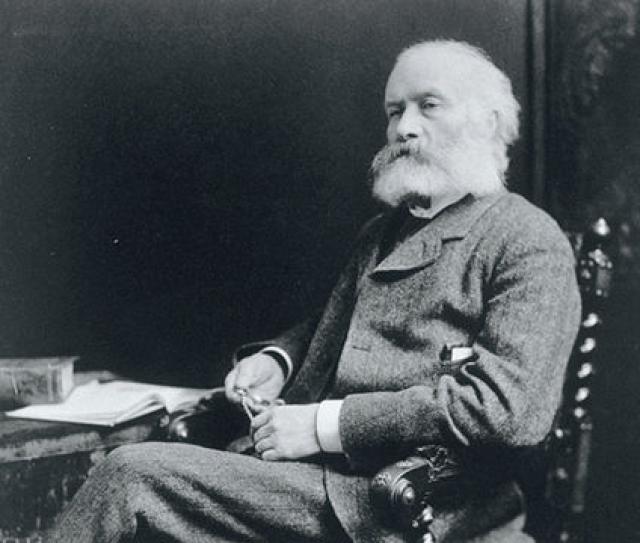
In 1862, Fleming was tasked with working on the new transcontinental railway. At the time, the advantages of iron bridges were not fully recognized due to their high cost, but their fire resistance eventually proved valuable. In 1871, the provinces of Canada united into a federation and Fleming was given the position of chief engineer for the transcontinental project. However, in 1880, he was replaced as the government decided to hand over control to a private company. This was a significant blow to Fleming, but in 1884, he was appointed as a director of the railway company.

In 1876, Fleming missed a train because he misinterpreted the schedule written in a 12-hour format. This incident inspired him to propose a 24-hour time format not tied to specific meridians. He later developed the concept of time zones, which were eventually adopted by major countries around the world by 1929.
Later Life and Legacy
In 1880, Fleming left surveying and joined Queen's University in Kingston, Ontario. He served as the honorary rector of the university until his death. Alongside his work at the university, Fleming was involved in various projects, including the development of a telegraph communication system that connected different parts of the British Empire. He also pursued entrepreneurial endeavors. Towards the end of his life, Fleming retired and moved to Halifax.