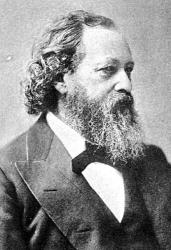
Sebastiano Serlio
 Italy
ItalySebastiano Serlio: Italian Architect, Artist, and Theorist
Sebastiano Serlio (1475–1554) was an Italian architect, artist, and theorist of the Renaissance era. He was born on September 6, 1475, in Bologna. Serlio initially learned the skills of the artistic trade while working in his father's workshop. He later studied under Baldassare Peruzzi in Rome and traveled extensively. In 1541, he moved to France, where he collaborated with Pierre Lescot (1510–1578) on the construction of the Louvre. Serlio was appointed as the architect of the Fontainebleau Palace by King Francis I. Throughout his architectural works, he often utilized rusticated columns and alternated between smooth and unfinished stones.
Contributions and Famous Works
Sebastiano Serlio gained the most recognition for his three types of theatrical stage designs, which he described in his famous treatise, "Treatise on Architecture" (published in separate volumes from 1537 to 1575). According to his treatise, the stage for comedy should represent an "extremely narrow and deep perspective of a street with numerous shops and houses, which allows for easy scene changes." For tragedy, the stage should portray a "city square with public buildings in a strict style," while for "satirical idylls and farces," pastoral-themed decorations could be used.
Legacy
In 1619, an extensive collection of Serlio's engravings titled "All the Works of Architecture and Perspective" (Tutte l'opere d'architettura et prospettiva) was published in Venice. This collection showcased Serlio's contributions to the field of architecture and perspective. Despite his passing in Fontainebleau in 1554, Sebastiano Serlio's treatise and innovative stage designs continue to inspire and influence architects, artists, and theorists to this day.