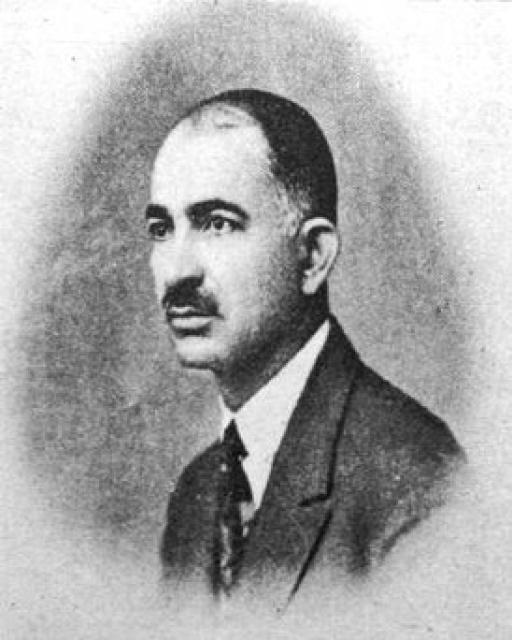
Sekula Drljevic
 Montenegro
- Sekula Drljević: A Montenegrin Politician and Collaborator
- Political Beginnings
- Serbian Nationalist
- World War I and Collaboration
- Post-War Politics
- Change in Political Views
- Opposition to Yugoslav Centralism
- Allegations of Treason
- Later Life and Death
Sekula Drljević: A Montenegrin Politician and Collaborator
Early Life and EducationSekula Drljević was born on August 25, 1884, in the village of Ravni, Montenegro. He received his primary education in his hometown and later traveled to Sremski Karlovci in Austria-Hungary to attend high school. He then studied law at the University of Zagreb.
Political Beginnings
Drljević's political career began in 1907 when he was appointed Minister of Finance at the age of 25. He held this position until 1910 and later served as Minister of Justice and Minister of Finance again from 1912 to 1913.
Serbian Nationalist
Initially a pro-Serbian nationalist, Drljević advocated for an alliance and possible unification of Montenegro and Serbia. However, King Nikola I pursued a more cautious approach. In 1913, Drljević delivered a speech calling for the defeat of the Ottoman Empire and the creation of a "Greater Serbian State."
World War I and Collaboration
During World War I, Drljević, like many Montenegrin politicians, supported the war against Austria-Hungary. However, after the Central Powers occupied Montenegro, he refused to flee and condemned King Nikola I for leaving the country. Drljević was arrested and interned.
Post-War Politics
After the war, Drljević was released by the Serbian government and served as Minister of Justice in Stojan Protić's cabinet. However, he resigned after only three months, feeling dissatisfied with his position.
Change in Political Views
Drljević's political views began to shift away from Serbian nationalism. In 1922, he formed the Montenegrin Federalist Party, advocating for decentralization and equality within Yugoslavia.
Opposition to Yugoslav Centralism
Drljević's party did not gain significant support, but he continued to oppose the centralist policies of the new Yugoslav state. He secretly supported the Montenegrin Army in Exile and the "Green" movement, which resisted Serbian rule in Montenegro.
Allegations of Treason
Drljević's actions led to accusations of treason and collaboration with Croatian separatists. He faced threats and was nearly assassinated in an incident orchestrated by the Yugoslav police.
Later Life and Death
Drljević continued to be a controversial figure throughout his life. He died on January 3, 1963, in his hometown of Ravni. His legacy remains complex, with some viewing him as a patriotic Montenegrin while others consider him a traitor to the Yugoslav cause.


