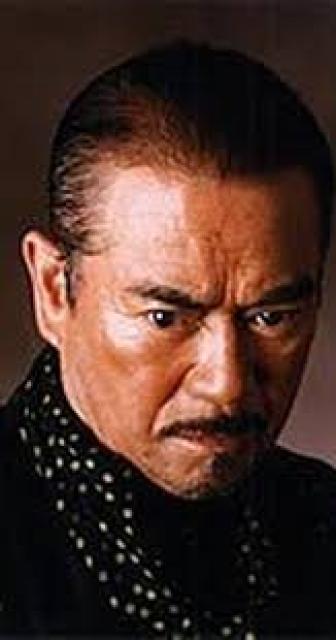
Shin'ichi Chiba
 Japan
Japan- Sonny Chiba: The Martial Arts Icon
- Rise to Fame:
- Street Fighter and Beyond:
- Portraying Martial Arts Masters:
- Sunset Years:
- Legacy:
Sonny Chiba: The Martial Arts Icon
Early Life and Training:Sonny Chiba (born Maeda Sadao) is a renowned Japanese actor, martial artist, and director. Born into a large family, Chiba exhibited an early interest in classical Japanese theater and gymnastics. Despite a severe spinal injury that hindered his gymnastics aspirations, he excelled in judo in high school and later took up Kyokushin karate in college. Chiba holds multiple black belts in various martial arts, including Kyokushin karate, Goju-ryu karate, Shorinji-kempo, judo, kendo, and ninjutsu.
Rise to Fame:
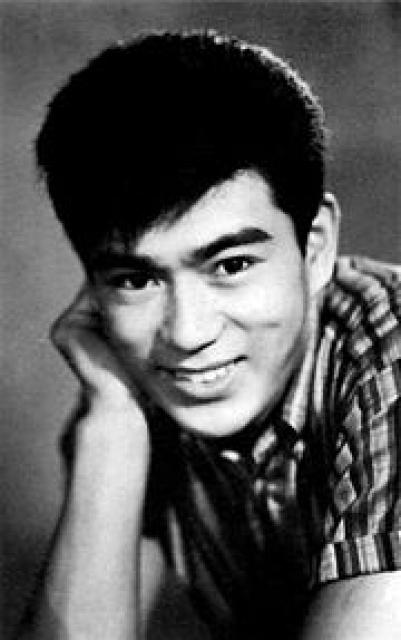
In 1960, Chiba was discovered by Toei Company during a "new face" campaign and decided to adopt the stage name "Chiba" after the district he lived in. As Sonny Chiba, he quickly gained recognition for his skilled bodywork and established the "Japanese Action Club" to support actors in learning martial arts techniques.
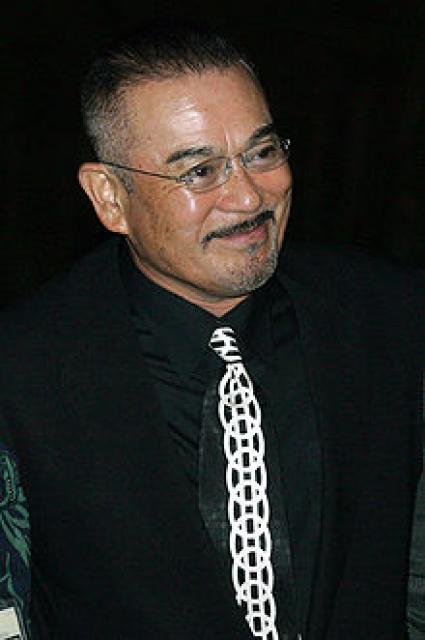
With the surge of kung fu popularity in the early 1970s, Toei saw Chiba as a potential rival to the late Bruce Lee. Chiba's characters stood out from Hong Kong action stars due to their distinct anti-heroic qualities.
Street Fighter and Beyond:
Chiba's role as the titular street fighter in the "Street Fighter" film series catapulted him to international fame. The films, known for their graphic violence, showcased Chiba's exceptional martial arts skills and raw brutality. However, in a departure from the genre, the series also included a philosophical undertone, exploring themes of morality and the dangers of fighting without restraint.
Portraying Martial Arts Masters:
Chiba also used his platform to portray legendary martial artists. In "Champion of Death" (known as "Doomed to Die Alone" in international release), he played his own teacher, Mas Oyama, the founder of Kyokushin karate. The film not only glorified Oyama's life story but also served as a testament to the discipline and philosophy of the martial art. Chiba also portrayed So Doshin, the founder of Shorinji-kempo, in "The Killing Machine."
Sunset Years:
In his later years, Chiba relocated to the United States and starred in a string of low-budget action films. One notable exception was Quentin Tarantino's "Kill Bill" (2003), where he shared the screen with Uma Thurman, David Carradine, and Lucy Liu.
Legacy:
Sonny Chiba's contributions to the worlds of martial arts and cinema are undeniable. His iconic performances and unwavering dedication to the craft have cemented his status as a true legend. Chiba's films not only entertained audiences but also inspired generations of martial artists and aspiring actors.