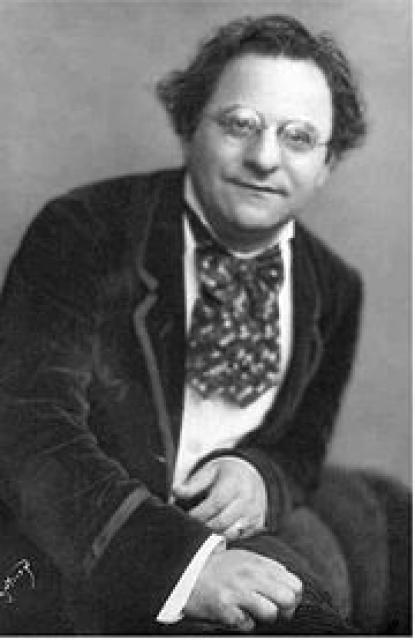
Sigfrid Karg-Elert
 Germany
- Biography of Sigfrid Karg-Elert
- Early Life and Education
- Interest in the Harmonium and Organ
- Teaching Career and Conflicts
- Legacy and Suppression
Biography of Sigfrid Karg-Elert
Sigfrid Theodor Karg, later known as Sigfrid Karg-Elert, was born on November 21, 1877, in Oberndorf-am-Neckar, Germany. He was a German composer and organist known for his contributions to the organ and harmonium repertoire.
Early Life and Education
In 1882, Karg-Elert's family moved to Leipzig, where he began taking private music lessons from Emil von Reznicek. He later attended the Leipzig Conservatory as an auditor, studying under Karl Reinecke and Salomon Jadassohn. In 1901, Karg-Elert started teaching music in Magdeburg and changed the spelling of his name to Sigfrid, adopting a more Scandinavian style. He also added his mother's maiden name, Elert, to his surname, slightly altering it from Ehlert.
Interest in the Harmonium and Organ
In 1904, Karg-Elert met the musician Karl Simon, a performer on the harmonium. This encounter sparked his interest in the instrument, and he began playing it more frequently than the organ. However, Karg-Elert also composed numerous works specifically for the organ, influenced by his interactions with organist Paul Homberger.
Teaching Career and Conflicts
From 1919, Karg-Elert taught at the Leipzig Conservatory, competing with fellow composition professor Herman Grabner. Their differing musical preferences, with Karg-Elert's sympathy towards music from various countries and Grabner's advocacy for German music, created tensions between them. As Nazi influence grew, this conflict intensified. In 1926, Karg-Elert lamented the consequences of expressing his affinity for England, France, and Italy, stating that he was immediately labeled a Jew, a traitor, and a communist.
Legacy and Suppression
After Karg-Elert's death, his music faced prohibition in Nazi Germany alongside other "non-Aryan" music. His most significant contributions include the "66 Chorale Improvisations for Organ" (1909) and the "30 Caprices for Flute" – a collection of elegant miniatures widely used in the education of beginner flutists.



