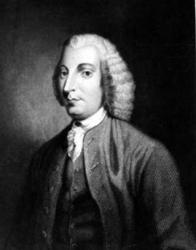
Sir George Sitwell
 Great Britain
- Biography of Sir George Sitwell
- Political Career
- Unusual Interests
- Personal Life
- Literary Works and Eccentricities
- Quirks and Later Years
Biography of Sir George Sitwell
Sir George Sitwell, the 4th baronet, was an unconventional British writer and father of poet Edith Sitwell. He was born in London in 1860. At the age of two, his father, Sir Sitwell Sitwell, died, and George inherited the baronet title. By the age of four, he introduced himself to train passengers as "Sir George, the youngest baronet in England."
Political Career
In 1885, Sitwell was elected as a member of the Conservative Party to represent the Scarborough constituency in the British Parliament. However, he lost this position in the 1886 elections. He was reinstated in 1892 but finally ended his political career in 1895 after a ten-year tenure.
Unusual Interests
Sitwell had a passionate interest in gardening, but his endeavors were often hindered by bees that bothered him. To solve this problem, he invented a small pistol to shoot the bothersome bees. He became known as the creator of beautiful gardens on his estates, which covered an area of 50 square kilometers in Derbyshire.
Personal Life
In 1886, Sitwell married Ida Emily Augusta Denison, the daughter of the second Baron Londesborough. They had three children who later became successful writers. In 1900, the renowned American artist John Singer Sargent painted a family portrait of the Sitwells.
Literary Works and Eccentricities
Sitwell loved writing and had several works and diaries, which added to his extensive collection of literature housed in his seven libraries. He avoided writing fiction, believing that it drained an author's energy and health. He was also a hypochondriac and carried a large assortment of medicines wherever he traveled, with deliberately misspelled labels to prevent others from using them.
In 1909, Sitwell achieved literary success, prompting his move to Italy, where he acquired a large castle in Tuscany. During this time, he divorced his first wife and remarried. However, his refusal to pay his new wife's debts landed her in prison for three months.
Quirks and Later Years
Besides gardening, Sitwell enjoyed painting his cows with blue stripes for aesthetic purposes. He displayed a sign at the entrance of his estate, requesting visitors to agree with him and not contradict his opinions to avoid digestion issues and sleep disturbances. He also attempted to pay for his son's education with produce from his garden.
Sitwell spent his remaining years in Italy and eventually moved to Locarno, Switzerland, in 1942, where he passed away at the age of 83.