Sitara Wafadar
 Afghanistan
In 2018, international reporting introduced readers to Sitara Wafadar through a striking image: an 18-year-old Afghan woman working at a brick kiln in male clothing, a role she had been living for most of her life. Her story was not one of celebrity or a conventional career. It was a close-up of how poverty, gender expectations and the need to work had shaped one young woman’s daily life in eastern Afghanistan.

Growing Up as Bacha Posh
Wafadar lived with her family in Sultanpur, in Nangarhar province. She was one of six sisters and had no brothers. In some Afghan families, a daughter may be raised or presented as a boy in a practice known as bacha posh, a Dari phrase meaning “dressed as a boy.” The circumstances vary, but the role can let a girl take on work and public responsibilities otherwise restricted to males in her community.
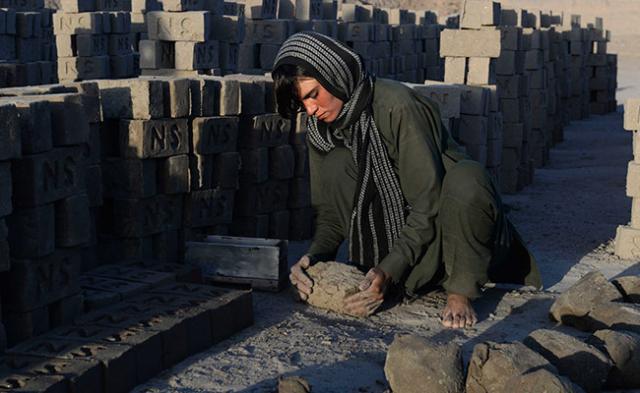
An Agence France-Presse report in 2018 said Wafadar had been dressing and working as a boy for more than a decade. She had started making bricks at the age of eight. Her four older sisters had also worked at the kiln before marrying, and, according to the report, had not attended school. This was a childhood shaped by necessity: the family needed the income, and their daughters took on strenuous labor at a young age.
Work and the Choice to Continue
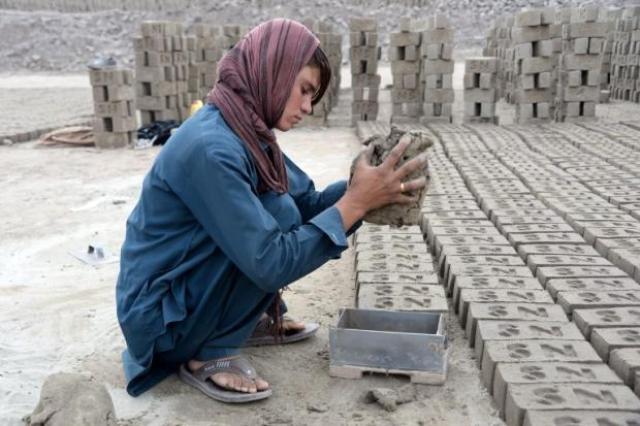
At 18, Wafadar was still working six days a week alongside her elderly father at a brick factory. The pair were paying back money borrowed from the kiln’s owner while helping support the family. The reporting described the arrangement as bonded labor, placing her work within the pressures of poverty and debt rather than portraying it as a personal career choice.
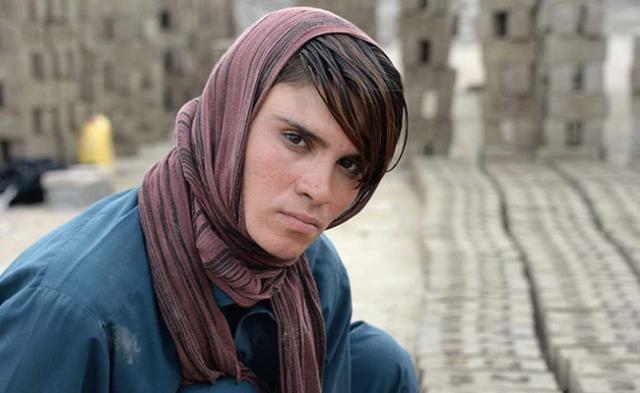
Wafadar told the reporter that dressing as a boy helped her work safely. She feared that if people knew she was a young woman laboring at the kiln, she could face harassment or kidnapping. Although many bacha posh stop presenting as boys after puberty, she said she continued because the clothes helped protect her and made it possible to keep working.
A Public Profile, Not a Verified Update
The 2018 report gave Wafadar a rare international profile, but it did not make her a public figure in the usual sense. The known story centers on her account of work, family responsibility and the limits placed on girls’ movement. It offers a personal view of one family’s experience, not a complete picture of Afghan girls or of every family that practices bacha posh.
No reliable later account of Wafadar’s life was located in the sources reviewed. Her age, location and circumstances may have changed since she was interviewed. What remains documented is the young woman’s explanation of why she continued to wear male clothing: it helped her move through a difficult working life with greater safety and support her family.