Slobodan Zivojinovic
- Early Life and Junior Career
- Davis Cup Debut and European Zone Success
- Challenger Tour Success
- Breakthrough Season
- World Number One in Doubles
- Continued Doubles Success and Career-High Singles Ranking
- Davis Cup and Olympic Representation
- Later Career and Retirement
- Post-Tennis Career and Legacy
Early Life and Junior Career
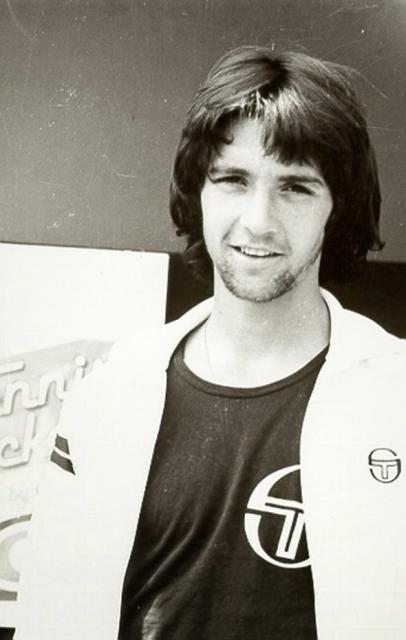
Slobodan Živojinović was born in Belgrade, Serbia, on January 24, 1963. He began playing tennis at a young age and quickly established himself as one of the most talented junior players in Yugoslavia. Živojinović won seven national junior and youth championships in various age categories, from 12 to 21 years old.
In 1981, he became the European Junior Champion and won the Italian Open Junior Championship. In the same tournament, he also played his first match at the senior level, losing to Spanish veteran Manuel Orantes.
Davis Cup Debut and European Zone Success
Živojinović made his Davis Cup debut for Yugoslavia in 1981 in a match against Israel. In 1983, he played a significant role in Yugoslavia's victory over Spain in the European Zone quarterfinal of the Davis Cup. He won two of his three matches, helping Yugoslavia secure promotion to the World Group.
Challenger Tour Success
The following year, Živojinović reached his first professional final on the Challenger Tour, partnering with Greek tennis player George Kalovelonis in Thessaloniki.
Breakthrough Season
In 1985, Živojinović broke into the top 100 in the world. He recorded two singles wins against Australian players, including Pat Cash, in the Davis Cup, and finished as runner-up in his first Grand Prix tournament in Nancy. In May, he partnered with Belgian Libor Pimek to reach the semifinals of the Italian Open. In July, he won his first Grand Prix tournament in Boston, also with Pimek. In October, his victories over Henri Leconte and Yannick Noah helped Yugoslavia retain its place in the World Group of the Davis Cup. In November, Živojinović reached the semifinals of the Australian Open in singles, defeating the 14th, 13th, and second-ranked players in the world along the way. He ended the season ranked in the top 50 in both singles and doubles.
World Number One in Doubles
1986 was Živojinović's most successful year in doubles. He reached seven finals in the discipline with five different partners, winning three of them, including the US Open with Ecuadorian Andrés Gómez. After this victory, he became the world number one in doubles and held the position intermittently until mid-November, eventually finishing the season ranked second behind Gómez. In the singles, he reached the semifinals of Wimbledon, losing to world number one Ivan Lendl, and then won a Grand Prix tournament in Houston in November.
Continued Doubles Success and Career-High Singles Ranking
In 1987, Živojinović won two more doubles titles with Boris Becker and reached the semifinals of two Grand Slam tournaments with Gómez, but these successes were not enough to keep him in the top 10. In singles, he reached a career-high ranking of world number 19 in October, but his results in individual tournaments were more modest. He achieved his best success at Wimbledon, reaching the quarterfinals before losing to Jimmy Connors. He also reached the semifinals of four Grand Prix tournaments, each time losing to one of the top-ranked players: Noah, Becker, Lendl, or Stefan Edberg.
Davis Cup and Olympic Representation
In 1988, Živojinović played a key role in Yugoslavia's victories over India and Italy in the Davis Cup, with the team eventually losing to West Germany in the semifinals. In May, he recorded one of his rare wins over a top-10 player, defeating Edberg, then ranked world number three, on his way to the final of the Grand Prix tournament in Forest Hills, New York. In September, he competed in the Seoul Olympics, losing in the second round in singles and in the quarterfinals in doubles with Goran Ivanišević to the eventual silver medalists, Spaniards Sergio Casal and Emilio Sánchez. In October, he won his second Grand Prix singles title in Sydney, and later partnered with Gómez to win the Japan Open, defeating Olympic champions Seguso and Flach in the quarterfinals.
Later Career and Retirement
In 1989, Živojinović's best result in singles was reaching the fourth round of Wimbledon. In doubles, he reached the final in Tokyo with Gómez for the second consecutive year, but they were unable to win the title. Despite modest results, Živojinović remained in the top 100 in both singles and doubles. In the Davis Cup, he helped Yugoslavia reach the World Group semifinals for the second straight year, earning two points in the victories over Denmark and Spain, including a win over Emilio Sánchez. He did not play in the semifinal match against Sweden, which Yugoslavia lost 4-1.
In February 1990, Živojinović won his eighth doubles title, three of which came at the tournament in Brussels. In May, he won the World Team Cup in Düsseldorf with Yugoslavia, but an injury sustained earlier in Seoul prevented him from fully completing the season. The 1990 Wimbledon tournament was his last that year.
In 1991, Yugoslavia reached the semifinals of the Davis Cup again, with Živojinović contributing two wins in the quarterfinal victory over Czechoslovakia (in singles over Petr Korda and in doubles with Ivanišević). However, they lost in the semifinals to France. Individually, Živojinović mostly played in Challenger tournaments, winning one in both singles and doubles in Ljubljana. He finished the year ranked in the mid-200s. In February of the following year, he played his final matches on the professional circuit.
Post-Tennis Career and Legacy
After retiring from professional tennis, Živojinović became the President of the Tennis Federation of Serbia. He played an instrumental role in developing tennis in Serbia and was awarded the Serbian Olympic Order in 2012 for his contributions to the sport. Slobodan Živojinović is widely considered one of the greatest tennis players in Serbian history. His achievements on the court, including a Grand Slam doubles title and a World Team Cup victory, cemented his legacy as a talented and successful athlete.