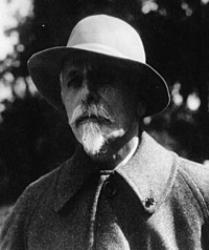
Sol Price
 USA
USABiography of Sol Price
Sol Price, the creator of the Wholesale Retail Industry, proposed a new pricing strategy that revolutionized the retail industry. He believed that small retailers should buy branded products in cash, purchase larger quantities to get more discounts, eliminate order collection and delivery services, and eliminate the sales and advertising functions performed by large regional warehouses. Price's philosophy was that merchandising is an art, not a science. He became known for his clever pricing strategy, which allowed him to outwit the giants of the retail industry.
Sol Price was born in New York in 1916 and moved to San Diego with his parents at the age of thirteen. He inherited a merchandise warehouse in 1950 and accidentally put an end to the existing retail pricing system while searching for tenants. Despite having no experience in retail, Price practiced law for seventeen years before entering the retail industry. He created the idea of retail discounts through Fed-Mart, a supermarket chain that became the first to sell national brand products at discounted prices. By 1991, Fed-Mart had reached a turnover of $30 billion and was expected to increase to $50 billion in the 1990s.
In 1976, at the age of sixty and unemployed, Sol Price created "The Price Club" when he was searching for a new opportunity. He listened to small retailers who told him that buying products such as candies and cigarettes through large distributors was inefficient. High distribution costs made the traditional two-tier wholesale structure ineffective. Price saw an opportunity to improve this system by creating a new model where retailers could purchase branded products at wholesale prices and receive the goods directly at their own warehouse. The wholesale supplier would still make a profit through a 20-25% markup, while small retailers would perform additional tasks such as purchasing in cash, buying larger quantities, and eliminating order collection and delivery services, as well as sales and advertising functions.
Price's concept could work in any major market in America where the old inefficient distribution system still existed. He opened the first Price Club in a vacant airplane hangar in San Diego, selling branded products at 8-10% lower prices than the market. The club had a limited selection of 3,000 items, compared to the typical 60,000-100,000 items offered by other retailers like K-Mart. Price eliminated traditional retail principles such as advertising, credit cards, customer service staff, and retail warehouses. His concept challenged the traditional retail trade rules.
The success of The Price Club was due to its fundamental innovation of offering high-quality products at wholesale prices. This attracted small retailers who could now become primary buyers and avoid markups. Additionally, the model appealed to consumers who wanted to buy quality products at lower prices. The club's name, Price Club, was aimed at attracting local businessmen and mid-level retailers, but it unexpectedly attracted a mass of people who were interested in buying high-quality products at affordable prices. The success of Price Club was largely hidden from unsuspecting consumers.
Sol Price's personal and business survival story was one of ups and downs. After being fired from Fed-Mart, he started from scratch in 1976 when he was sixty years old and unemployed. He opened The Price Club with his two sons, who were also unemployed at the time. They wandered the streets of San Diego, searching for a new opportunity to apply their suppressed ego. Price began by speaking to small retailers who explained that buying products through large distributors was inefficient. They were being squeezed out of business due to the inadequate distribution system. Price described this outdated system and explained the need for The Price Club.
The first year of The Price Club was challenging, with only a few customers and minimal sales volume. Price refused to advertise, and the company was almost unprofitable. However, the word spread, and different segments of society, including government employees and small business owners, became interested in the club's lower prices for high-quality products. The lower prices became a significant advantage, attracting those concerned about price. People willing to save money were willing to travel long distances to purchase high-quality products. Price also developed an efficient method for reducing tax payments, knowing that their products would be of interest to both resellers and personal consumers. By 1990, The Price Club had expanded to seventy stores with annual revenue of $10 billion.
Sol Price's innovative intuition was centered around the principle of providing maximum quality and lowest price to the customer. He eliminated unnecessary components of price, which had been included by other retailers for so long that it was challenging for them to let go. Traditional retailers were afraid that Price's concept would disrupt their traditional business model. Price's pricing strategy aimed to continuously offer lower prices to customers by eliminating different components of the price. This strategy was foreign to most American executives and was non-existent in bureaucratic organizations. Traditional retailers systematically included all components of the price, believing that they were acting in the best interest of their business. Price's philosophy challenged this traditional strategy.
Sol Price's pricing philosophy became the key factor behind The Price Club's success. His philosophy was based on the laws of demand, always aiming to sell products at a lower price and questioning whether it could be sold even cheaper. Price's strategy was to continuously offer lower prices to customers by eliminating components of the price. He believed that other retail companies focused on how much profit they could make from selling a product, while he focused on whether he could sell it for a lower price.
Sol Price's innovative pricing strategy revolutionized the retail industry and had an impact on other industries, such as office equipment, computers, eyewear, stationery, and automobiles. His legacy lives on as his concept continues to shape the retail industry.