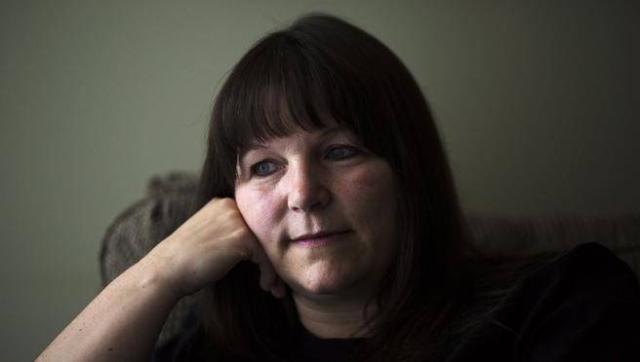
Stacey Yepes
 Canada
- A Stroke of Intuition
- Seeking Medical Help
- The Power of Self-Documentation
- Preventing a Major Stroke
- Transient Ischemic Attack
- The Importance of Self-Diagnosis
Stacey Yepes: The Canadian Woman Who Self-Diagnosed a Stroke Using Her Smartphone
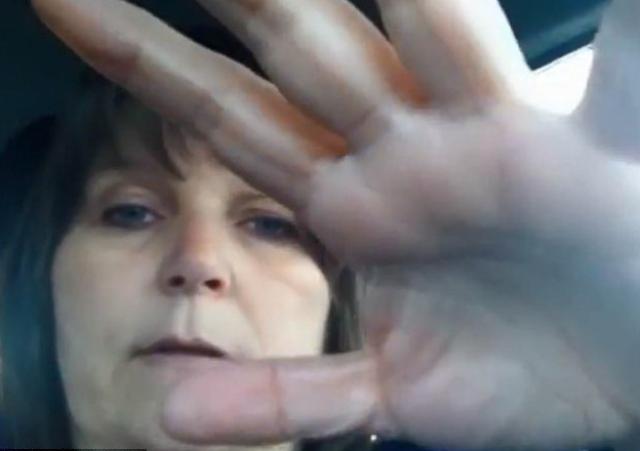
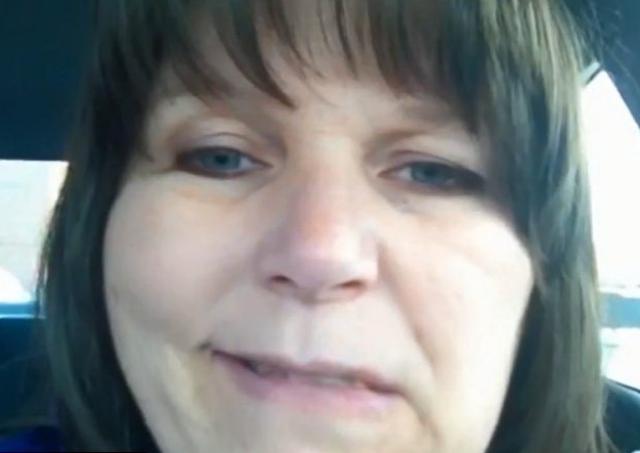
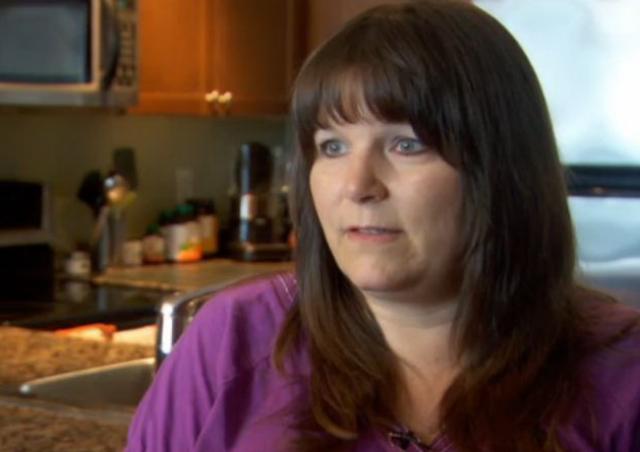
Stacey Yepes is a 49-year-old Canadian woman from Thornhill, Ontario, who recently made headlines for successfully convincing skeptical doctors that she was experiencing three mini-strokes. To prove her case, Stacey took several selfies of her face while it was warped by the strokes and sent them to her doctors. Seeing her disfigured face, the doctors had no choice but to admit that her condition was indeed alarming.
A Stroke of Intuition
Up until that fateful night, Stacey had never complained of any health issues. However, one evening while relaxing at home, she began to feel strange. Despite experiencing no pain, the left side of her face and body went numb and unresponsive. When her neighbor called shortly after, she answered the phone in a way that prompted him to ask why she was speaking "funny." It turned out that Stacey was experiencing a mini-stroke, although she had yet to realize it or convince doctors of its severity.
Seeking Medical Help
Stacey's symptoms subsided after about ten minutes, but a sense of dread lingered in her heart. It was then that the thought "This is a stroke!" crossed her mind. She immediately went to the hospital, but her concerns were dismissed. The doctors told her to relax and attributed her symptoms to stress. Stacey left the hospital feeling unconvinced.
The Power of Self-Documentation
The next morning, while driving for work, Stacey suddenly felt that one side of her face had gone numb again. She immediately pulled over to the side of the road and took a video and several photos of herself using her smartphone. Her face was clearly distorted: the corner of her mouth had drooped, and half of her face had frozen into a one-sided mask. These images later played a pivotal role in her diagnosis. Doctors could no longer dismiss her condition as "nonsense" after seeing the photos, as the symptoms were too evident.
Preventing a Major Stroke
Stacey Yepes later realized how close she had come to catastrophe. Her body was sending warning signals of a dire threat, and a full-blown stroke could have struck at any moment. After finally receiving proper medical attention at Toronto's Western Hospital, Stacey underwent treatment to prevent a stroke. What would have happened if she had not convinced the doctors of her deteriorating condition remains a mystery.
Transient Ischemic Attack
Stacey's condition was diagnosed as a transient ischemic attack, commonly known as a mini-stroke. It is important not to underestimate the significance of these attacks, as they can be a precursor to a more severe stroke. It is crucial to monitor symptoms of mini-strokes and seek immediate medical care.
The Importance of Self-Diagnosis
It is uncertain whether Stacey Yepes would have convinced the doctors of her severe condition had she not taken those selfies. Her experience is a valuable lesson for everyone, as strokes can affect people of all ages. Stacey's story serves as a reminder that it is important to trust your own instincts and seek medical attention if you suspect something is wrong. Thanks to the proper diagnosis and treatment she received, Stacey is now fully recovered and her brain circulation has been restored.