Stepam Abrikosov
 Russia
- Biography of Stepan Abrikosov
- Early Life and Career
- The Rise of the Abrikosov Dynasty
- The Success of Alexey Ivanovich Abrikosov
- Legacy and Revival
Biography of Stepan Abrikosov
Stepan Abrikosov was born into a prominent trading and industrial dynasty in Russia. After the revolution, many members of the Abrikosov family emigrated to France, Japan, the United States, and Canada. All of the Abrikosov enterprises were nationalized. In 1922, the factory was named after Peter Akimovich Babaev, the Chairman of the Sokolnichesky District Council. However, for several more years, the labels of the products still included the name "formerly Abrikosov" in parentheses, ensuring the quality and helping to retain customers.
Early Life and Career
Stepan Nikolaev was born into the serfdom of Anna Petrovna Levashova, a landowner in the village of Troitskoye in the Chembarsky District of the Penza Province. Stepan's family supplied various delicacies and sweets, especially apricot jam and pastila, to the noblewoman's table. At the age of 64, in 1804, Stepan was granted his freedom. Towards the end of his life, he accumulated enough wealth to secure the emancipation of himself and his loved ones. On August 3, 1804, Stepan Nikolaev and his family permanently relocated to Moscow and started their familiar business. Stepan, his wife Fekla Ivanovna, their sons Ivan and Vasily, and their daughter Daria worked together, catering to banquets, weddings of merchants and officials, and impressing the abbot of the Novo-Spassky Monastery with their apricot pastila and marmalade. The abbot blessed their production with an icon.
The Rise of the Abrikosov Dynasty
The family's reputation grew, and soon Stepan opened a grocery store selling fruits and confectionery, and joined the merchants of Semyonovskaya Sloboda. As Stepan's unmatched skill in creating sweets from apricots became known, he became known as "Abrikosov." In October 1814, Stepan's descendants officially adopted the surname Abrikosov. After Stepan Nikolayevich's death, his eldest son Ivan Abrikosov took over the confectionery business and opened a confectionery workshop. Ivan Stepanovich married a 15-year-old serf lady-in-waiting named Orlova-Chesmenskaya. Towards the end of his life, Ivan suffered bankruptcy, and his eldest son Alexey had to start as an apprentice for other people. However, it was Alexey who would later become the "chocolate king" of Russia.
The Success of Alexey Ivanovich Abrikosov
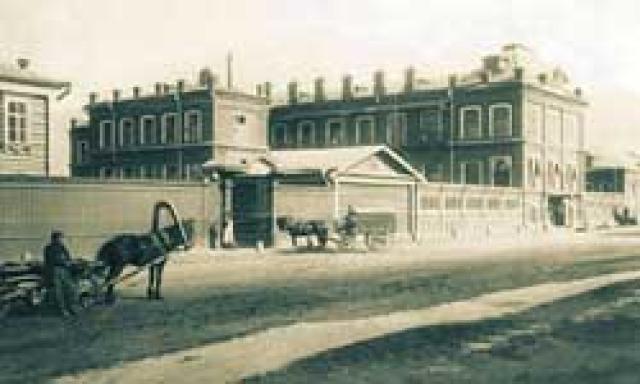
Alexey Ivanovich built a factory in Sokolniki and opened flagship stores on Tverskaya and Nevsky Prospects, Khreshchatyk, and Deribasovskaya. Glazed fruits, pastila, candies for balls and weddings, coffee, cocoa, figurative pies, cakes, gingerbread, cookies, biscuits, marmalade, jam, and many other sweets produced by the "Abrikosov Sons Partnership" were in high demand in late 19th and early 20th century Russia. The company received awards at industrial exhibitions and had an honorary inscription - "Supplier to the Court of His Imperial Majesty" on its packaging, starting from 1890. The Abrikosovs were also known for their charitable activities. They started with modest annual donations of 100 rubles to hospitals and the militia during the Crimean War. Alexey Ivanovich became a member of the Moscow Merchant Society Council, which was engaged in the construction of free apartments for war participants. The factory also opened a free kindergarten (one of the first in Russia), a free maternity shelter, and a women's hospital. By the decision of the Moscow City Administration, it was named the "City Free Maternity Shelter named after A.A. Abrikosova." After the revolution, the institution was renamed Maternity Hospital No. 6 after Krupskaya. It wasn't until 1994 that the famous maternity hospital regained its founder's name.
Legacy and Revival
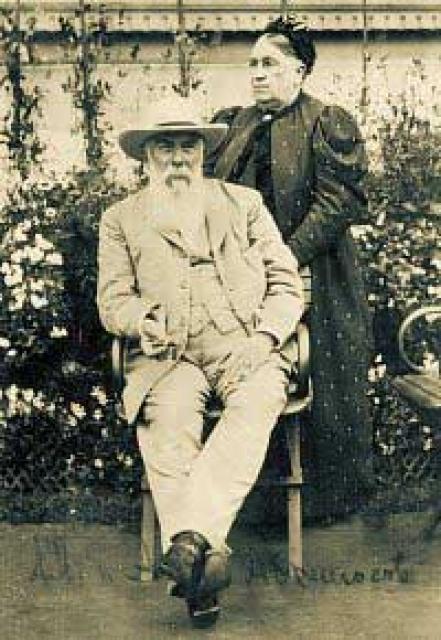
After the death of Alexey Ivanovich Abrikosov (from 1904 to 1917), his descendants successfully continued the confectionery business. They also excelled in other fields. His sons Nikolai and Alexey became publishers of the first journal in Russia dedicated to psychology and philosophy. His grandson, Khrisanf Nikolaevich Abrikosov, served as Leo Tolstoy's personal secretary in his youth. Another grandson, Alexey Ivanovich, became a prominent pathologist and embalmed Lenin's body. His great-grandson, Andrei Abrikosov, became a People's Artist of the USSR. After the revolution, many members of the Abrikosov family emigrated to France, Japan, the United States, and Canada, and all Abrikosov enterprises were nationalized. In 1922, the factory was named after Peter Akimovich Babaev, the Chairman of the Sokolnichesky District Council. However, for several more years, the labels of the products still included the name "formerly Abrikosov" in parentheses, ensuring the quality and helping to retain customers.
The descendants who remained in Russia knew little about each other until they first met in 1993 at the Museum of the History of Russian Entrepreneurship, where an exhibition dedicated to the Abrikosov family was organized. Dmitry Petrovich Abrikosov, the great-great-grandson of the dynasty's founder, took the initiative to register the trademark "Abrikosov Sons Partnership" and dreams of reviving the production of sweets according to the old recipes of his famous relatives. Whether he will succeed remains to be seen. The historic mansion of the Abrikosov family on Malaya Krasnoselskaya Street is currently undergoing restoration. The management of AO Babaevskoye has decided to open a museum of confectionery production, once the largest in Russia, in the mansion.
Source: Almanac "Golden Book of Moscow Entrepreneurship. The Year 2000," 1999, ASMO-Press.


