Susette LaFlesche Tibbles
 USA
USA- Early Life and Education
- Academic and Activist Roots
- Standing Bear Trial
- Advocacy and Literary Work
- Later Years and Legacy
Early Life and Education
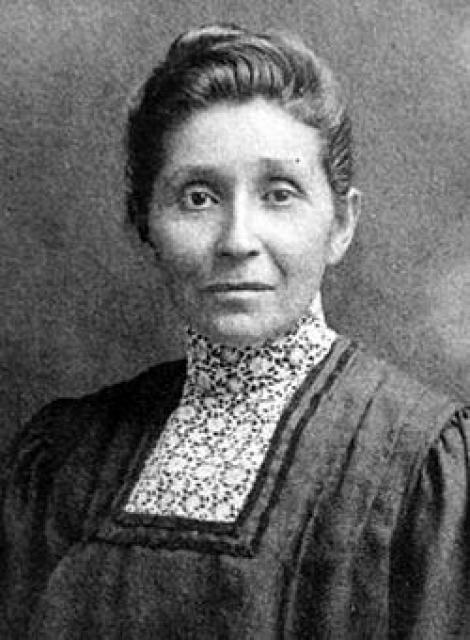
Susette LaFlesche was born into a prominent Native American family in Nebraska in 1854. Her father, Joseph LaFlesche, was the son of a French fur trader and a Native American woman, while her mother, Mary Gale, had American and Native American ancestry. The LaFlesches emphasized education and assimilation into white society, sending their children to missionary schools run by white teachers.
Academic and Activist Roots
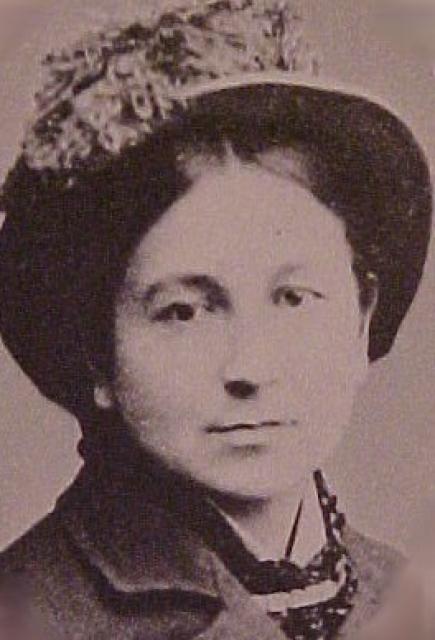
Susette attended a boarding school in New Jersey, where her literary talents were recognized and fostered. She became the first Native American woman to earn a medical degree and founded a private hospital on an Indian reservation. Her sisters, Susan and Rosalie, also pursued higher education and made significant contributions to their community. From a young age, Susette showed a strong interest in politics and social issues.
Standing Bear Trial
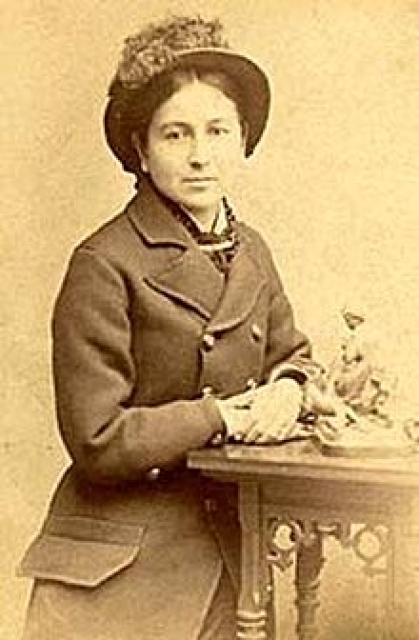
In 1879, Susette and her father traveled to Oklahoma to investigate the conditions of the Ponca tribe, who had been forcibly relocated from their homeland. Appalled by the government's negligence and the devastating consequences on the tribe, Susette played a crucial role in the trial of Chief Standing Bear, who had been arrested for leaving the reservation to bury his son. She served as a translator and witness, helping to establish the legal rights of Native Americans.
Advocacy and Literary Work
After the Standing Bear trial, Susette embarked on a lecture tour with Standing Bear and her husband, Thomas Tibbles. She spoke out on behalf of Native American rights and conditions. Her writings, including "The Position, Occupation, and Culture of Indian Women," provided an insider's perspective on Native American life.
Later Years and Legacy
In 1887, Susette and Tibbles traveled to England and Scotland to raise awareness about Native American issues. After their return, they focused on assisting the Sioux people. Susette's legacy as a doctor, activist, and writer continues to inspire and empower Native American communities. Her contributions to the fight for Native American rights and her pioneering work in education and medicine have left an enduring impact.