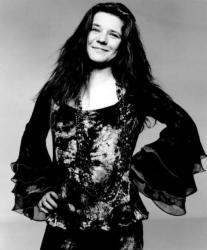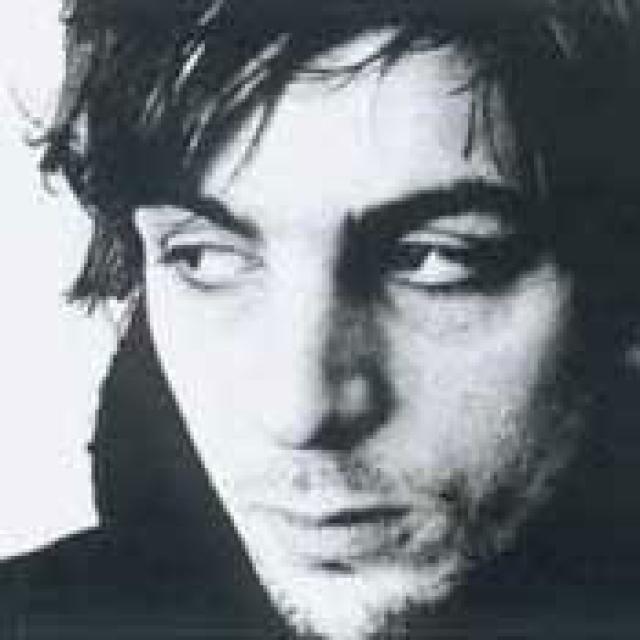
Syd Barret
 Great Britain
- Biography of Syd Barrett
- Early Success with Pink Floyd
- Decline and Departure from Pink Floyd
- Later Years and Legacy
Biography of Syd Barrett
Syd Barrett, whose real name was Roger Keith Barrett, was born on January 6, 1946. He was a musician and the founder of the band Pink Floyd. Barrett's father, a pathologist, had a love for classical music. He had two sisters and two brothers. When Barrett was fourteen, he lost his father, just like Waters, whose father died in the war with Germany in 1945.
Barrett took on the pseudonym "Sid" based on the name of a local drummer named Sid, to avoid accusations of lack of originality. He changed the middle letter of his name to avoid being seen as unoriginal. Barrett, a creative and "eccentric" guy, became the unquestioned leader of Pink Floyd. The name Pink Floyd, which was originally Pink Floyd Sound, was chosen by Barrett and was quite strange. Only now, more than 30 years later, people have become accustomed to it and no longer question why Pink Floyd. The answer is simple: Pink Anderson and Floyd Council were blues musicians.
Early Success with Pink Floyd
Pink Floyd's first album, "The Piper at the Gates of Dawn," was magnificent. Almost all the songs were written by Barrett. Even then, the themes of walls between people and misunderstanding, beautifully continued by the band in subsequent albums, were present. Soon, Barrett began to feel down, ironically, due to his own popularity. He loved going shopping and buying various things. One of his songs, "Apples and Oranges," was written about one of his shopping trips. Barrett saw a wonderful girl and decided to follow her.
Decline and Departure from Pink Floyd
Barrett started consuming more and more LSD. He would put LSD in his coffee, feed it to his cat, and once locked his girlfriend at home for three days and slipped cookies under the door. When his wife, June Bolan, Mark Bolan's wife from T-Rex, finally freed her, an offended Barrett locked himself in his room and stayed there for a week. The situation worsened when Waters, Wright, and Mason went to the studio and simply did not pick him up one day.
In 1968, Dave Gilmour joined the band. The interesting thing was that it was Dave who had taught Barrett to play the guitar during their college years. Barrett's lyrics about childhood were much less gloomy than Waters', and it is interesting to speculate why.
Later Years and Legacy
Barrett, the madcap musician, did not die. He is alive, but they say he no longer knows how to compose music. He hides from fans, appearing here and there. But unlike the King, all these rumors about Barrett are true. He waits until everyone is gone, and as soon as they are, he immediately goes out and goes shopping. Currently, Barrett lives somewhere near Cambridge, in a psychiatric hospital perhaps, but scientists are unsure. Despite offers to reissue his songs, Barrett firmly says, "Go to hell, guys!" The Madcap Laughs, released in January 1970, features compositions like "Terrapin," "No Good Trying," "Love You," "Dark Globe," and more.
In November 1970, Barrett released his self-titled album, "Barrett," featuring songs like "Baby Lemonade," "Love Song," "Dominoes," and others.
Throughout his career, Barrett released other albums such as "Opel" in October 1988, "Crazy Diamond" in April 1993, and "Wouldn't You Miss Me" with a precise release date unknown, possibly in 2001.
Syd Barrett's music and legacy continue to resonate with fans and musicians alike, cementing his status as a unique and influential figure in the history of rock music.