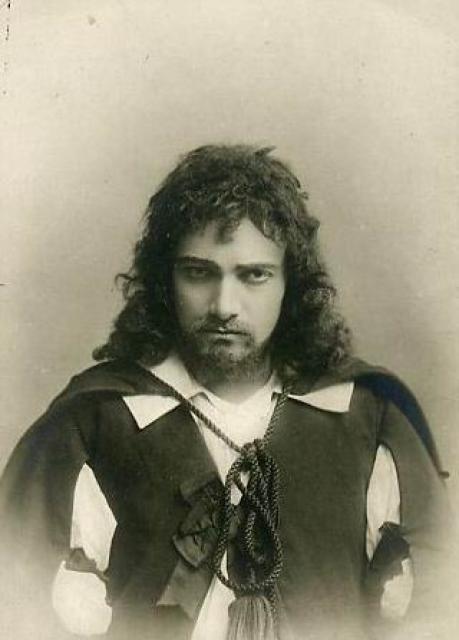
Uriel Akosta
 Portugal
- Gabriel Da-Costa: A Tragic Tale of Faith and Controversy
- Dissatisfaction and Conversion to Judaism
- Conflict with Amsterdam's Jewish Community
- Forced Reconciliation and Renewed Conflict
- Public Humiliation and Final Despair
- Suicide and Legacy
Gabriel Da-Costa: A Tragic Tale of Faith and Controversy
Early Life and Catholic UpbringingGabriel Da-Costa, later known as Uriel Acosta, was born in 1594 in Oporto, Portugal. Raised in the Catholic faith, he studied law and assumed the semi-religious role of treasurer for a cathedral chapter in 1615.
Dissatisfaction and Conversion to Judaism
However, Da-Costa's intellect and conscience were stirred by the rigidity of Catholic dogma and the machinations of the Jesuits. He delved into the Old Testament and the Prophets, embracing an idealized vision of biblical Judaism. In 1618, he left his Catholic life behind, accompanied by his mother and like-minded brothers, and settled in Amsterdam. He converted to Judaism, adopting the name Uriel and the Latinized surname Acosta in his writings.
Conflict with Amsterdam's Jewish Community
Acosta's ideals clashed with the realities of Amsterdam's Jewish community. He rejected the Talmudic ritualism, accusing the rabbis of being like the Pharisees. He wrote a book, "Examination of the Pharisaic Traditions," which was denounced as heretical and burned. Excommunicated by the synagogue, he found himself isolated and persecuted.
Forced Reconciliation and Renewed Conflict
Driven by financial concerns or a desire to marry, Acosta eventually signed a formal recantation of his previous views. However, his sincere repentance was in doubt, and he continued to disregard Talmudic laws discreetly. When one of his zealous relatives exposed him, he was again excommunicated.
Public Humiliation and Final Despair
Acosta's misery reached its peak. His marriage prospects were ruined, and he was harassed by the community. Unable to find solace in the secular courts, he eventually surrendered to the rabbis, agreeing to undergo public penance. Forced to endure a humiliating synagogue beating and other indignities, his spirit broke.
Suicide and Legacy
In despair, Acosta penned an autobiography, "Exemplar of Human Life," denouncing the rabbinical leadership. He confronted his persecutor on the street, intending to seek revenge, but failed and shot himself instead. The tragic tale of Acosta inspired literary works, including Karl Gutzkow's drama "Uriel Acosta." His autobiography, discovered after his death, remains a poignant record of his struggles and the complexities of religious identity.