Valentina Serova
 Russia
- Personal Life and Early Career
- Rise to Stardom
- Konstantin Simonov and "Zhdi Menya"
- Personal and Professional Decline
- Later Years and Death
- Legacy
Personal Life and Early Career
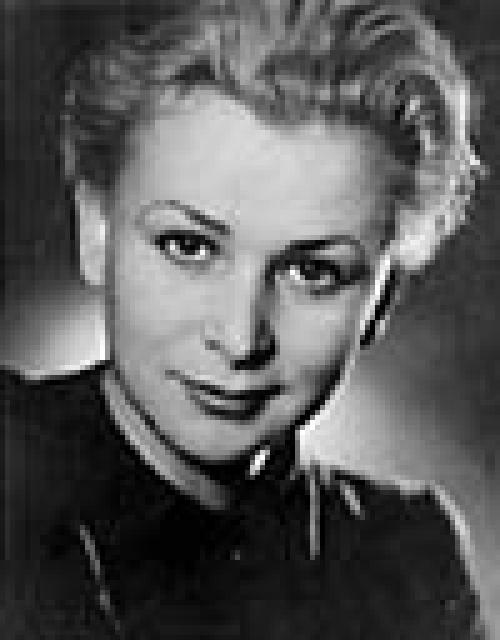
Valentina Serova, a renowned actress and sex symbol of the 1940s, was born on December 23, 1917, near Kharkiv. Her daughter, Maria Simonova, claimed that Serova intentionally added two years to her age to meet the admission requirements for the Theatrical School of the Theater of Working Youth (TRAM).
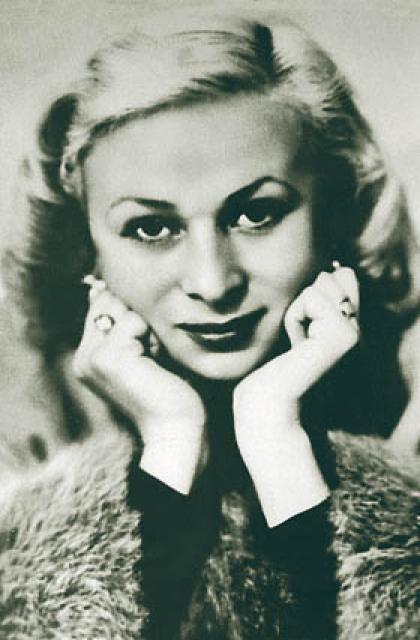
Serova's love for theater stemmed from her mother, Klavdiya Polovikova, who was also an actress. At six, young Valya moved to Moscow and, two years later, made her stage debut as a boy in the play "Na Stane Vremya" at the Maly Theater Studio. The performance ignited her passion for theater, and she even dropped out of school at 14 to enter the Central Technical School of Theatrical Arts.
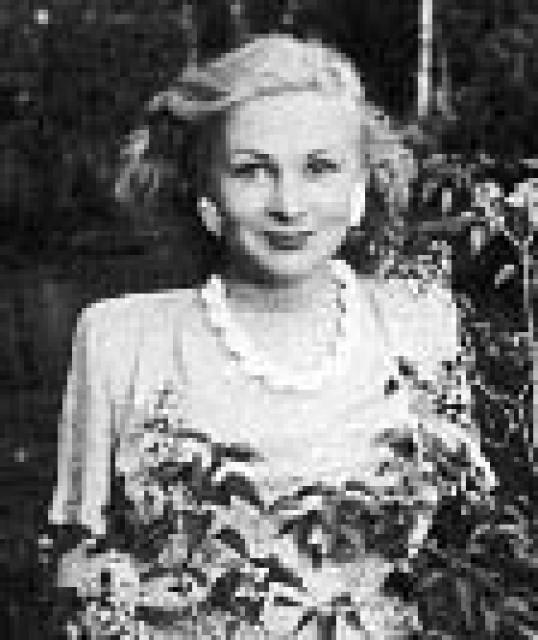
Her brief stint there ended with an invitation to join TRAM, where she spent the next 17 years. In 1934, she made her cinematic debut in "Stroggy Yunosha," but the film was banned due to its controversial content.
Rise to Stardom
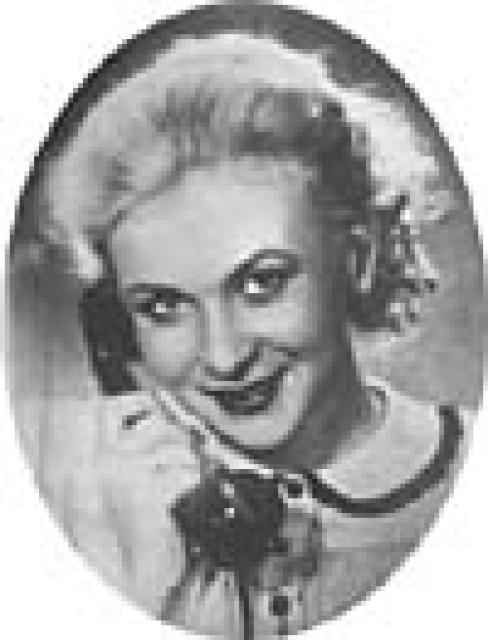
Serova's breakthrough came in 1939 with the film "Devochka s Kharakterom," which catapulted her to national fame. She gained further recognition in 1941 with the film "Hearts of Four," which was initially banned as ideologically flawed but eventually released in 1945.
Konstantin Simonov and "Zhdi Menya"
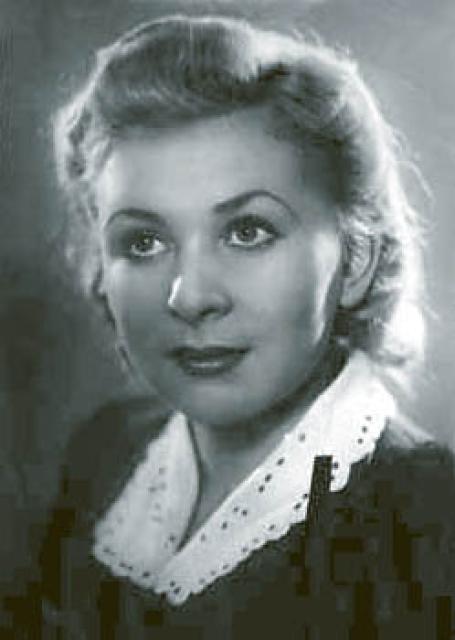
In 1940, Serova met and fell in love with 25-year-old Konstantin Simonov, a poet and writer. Their affair inspired Simonov's famous poem "Zhdi Menya" ("Wait for Me") and its 1943 film adaptation, in which Serova starred as the protagonist. However, their relationship was strained due to Serova's ongoing affair with Konstantin Rokossovsky, a future Marshal of the Soviet Union.
Personal and Professional Decline
In the aftermath of World War II, Serova's career began to decline as younger actresses emerged. Despite receiving the Stalin Prize and the title of Honored Artist of the RSFSR in 1946 for her role in "Glinka," she found herself out of work. Her personal life also took a downward spiral as she struggled with alcoholism.
Later Years and Death
Serova's marriage to Simonov ended in divorce in 1957, and she continued to struggle financially and emotionally. Her son, Anatoly, succumbed to alcoholism and passed away in 1975. Six months later, on December 12, 1975, Valentina Serova passed away in her ransacked apartment, alone and destitute.
Legacy
Valentina Serova's life and career offer a complex and cautionary tale. She was a brilliant actress who achieved great fame and acclaim but ultimately succumbed to the pitfalls of alcoholism and personal turmoil. Her story serves as a reminder that even the brightest stars can be extinguished by the shadows of addiction and despair.