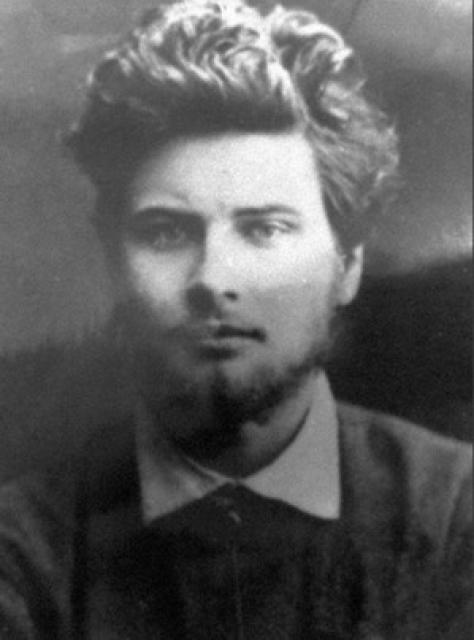
Waclaw Sieroszewski
 Poland
- Early Life and Activism
- Siberian Exile and Ethnographic Studies
- Scientific Contributions and Recognition
- Return to Poland and Continued Activism
- Advocate for Polish Autonomy
- Exile and Literary Success
- Military and Political Involvement
- Death and Legacy
Early Life and Activism
Born into a noble family in Poland, Wacław Sieroszewski faced adversity when his family's estate was seized following the Polish uprising of 1863. He pursued a skilled trade in Warsaw, becoming involved in labor movements. For resisting police oppression, he was sentenced to prison in 1879, later commuted to exile in Siberia.
Siberian Exile and Ethnographic Studies
Spending 12 years in Yakutia (1880-1892), Sieroszewski immersed himself in the lives of the local peoples. He penned stories and meticulously collected ethnographic data. His marriage to Anna Sleptsova in 1880 and the birth of their daughter enriched his Siberian experience, but tragedy struck with Anna's passing in 1886.
Scientific Contributions and Recognition
In Irkutsk, Sieroszewski completed his seminal work "Yakuts: An Ethnographic Study" (1896), published in both Russian and Polish. This comprehensive exploration of Yakut culture and customs earned him international recognition.
Return to Poland and Continued Activism
In 1898, Sieroszewski was allowed to return to Poland, where he married Stefania Milanowska in 1895. He traveled extensively throughout the Caucasus and the Far East, gathering materials that formed the basis of his second ethnographic work, "Korea."
Advocate for Polish Autonomy
Sieroszewski advocated for Polish autonomy and became a prominent figure in the Polish independence movement. His speech at a joint Polish-Russian congress in 1905, calling for unity in the struggle for freedom, resonated widely.
Exile and Literary Success
Facing arrest for his outspoken views, Sieroszewski fled into exile. Living in Paris from 1910-1914, he became an influential figure in the Polish émigré community. His literary works, including his Siberian stories and writings on Korea, gained widespread popularity.
Military and Political Involvement
During World War I, Sieroszewski joined the Polish Legions. He later served as Minister of Information and Propaganda in the Temporary Government of Dašinsky. From 1935-1938, he held a seat in the Polish Senate.
Death and Legacy
Sieroszewski passed away from pneumonia in 1945 and was initially buried in Piaski, later reburied in the Powązki Cemetery in Warsaw. His literary legacy continues to inspire with its themes of idealism, humanism, and unity among humanity.


