William Shild
 Great Britain
- Early Life and Musical Education
- Career as a Musician
- Composition and Masonic Affiliation
- "Auld Lang Syne" Controversy
- Death and Legacy
Early Life and Musical Education
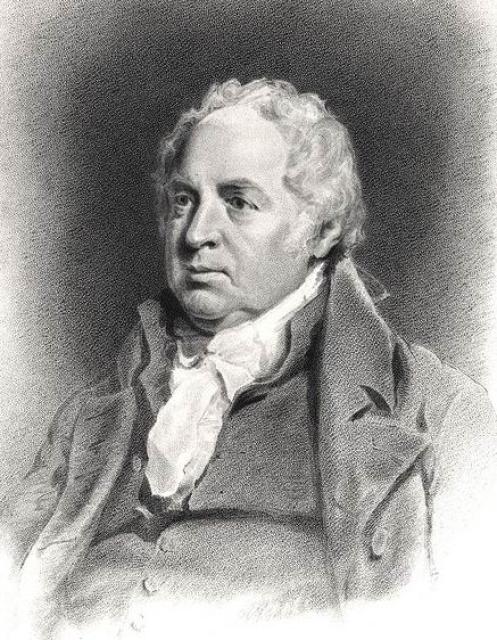
William Shield was born in Swalwell, County Durham, England, in 1748. His early musical education was at the hands of his father, who was a musician himself. After the untimely deaths of both his parents when Shield was still a child, he was apprenticed to a shipbuilder in South Shields. However, he continued to study music with Charles Avison in Newcastle-upon-Tyne.
Career as a Musician
Shield became a noted violinist in Newcastle before moving to Scarborough to lead the theatre orchestra. In 1772, he was engaged by Felice Giardini to play the violin in the opera at Covent Garden, and from 1773 he was principal viola there.
Composition and Masonic Affiliation
As a composer for Covent Garden, Shield met Joseph Haydn. In 1817, he was appointed Master of the King's Musick. Shield was a prolific composer, penning numerous operas, stage works, and instrumental pieces. His most famous work, however, is his light English opera, "Rosina" (1781), which is considered a precursor of musical theatre.
On February 21, 1776, Shield visited a masonic lodge in Durham, indicating his affiliation with the Freemasons. He later became a member of the Sunderland Phoenix Lodge.
"Auld Lang Syne" Controversy
The melody of the song "Auld Lang Syne" has been attributed to Shield in the past, but this claim has been contested. It is more likely that both Shield and Robert Burns borrowed the melody from an older folk song or that the same tune was used for a popular Northumberland song and a Scots ballad.
Death and Legacy
William Shield died in London on January 25, 1829, and was buried in the Poets' Corner of Westminster Abbey. Although his desire indicated that he wanted his name to be inscribed on his grave, no marker was initially placed. A small marble tablet was eventually placed near his grave.
Despite his fame and influence during his lifetime, Shield's legacy has been somewhat overshadowed by that of later composers. However, his contributions to English music, particularly in the realm of opera and musical theatre, remain significant.