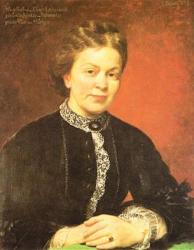
William Wymark Jacobs
 Great Britain
- Early Life and Literary Beginnings
- The Allure of the Sea
- "The Monkey's Paw": A Timeless Classic
- East End Dialects and Literary Influence
- Later Years and Memorialization
William Wymark Jacobs: A Humorous Master of the Sea and the Supernatural
Early Life and Literary Beginnings
William Wymark Jacobs, renowned for his witty and compelling prose, was born into a Devon shipyard manager's family. His childhood was immersed in the bustling maritime atmosphere. Jacobs' education included private schooling and Birkbeck Literary and Scientific Institution (now part of the University of London). In 1879, he became a bank clerk. His literary debut came in 1885 with the publication of his first short story.
The Allure of the Sea
A keen observer of the maritime world, Jacobs found his true calling in depicting its captivating tales. His short story collections, "Many Cargoes" and "The Sea Urchins," as well as his novel "Skipper's Wooing," showcase his masterful portrayal of seafaring characters and their extraordinary adventures.
"The Monkey's Paw": A Timeless Classic
Jacobs' enduring literary legacy rests on his celebrated short story "The Monkey's Paw" (1902). Regularly featured in horror anthologies, this chilling tale explores the perils of supernatural curiosity and the dark consequences of ill-conceived wishes.
East End Dialects and Literary Influence
Jacobs' nuanced use of East End dialects brought authenticity to his characters, earning him the admiration of esteemed writers such as P.G. Wodehouse. From 1898 onward, his stories predominantly graced the pages of "The Strand" magazine.
Later Years and Memorialization
After marrying in 1900, Jacobs relocated to Essex, establishing residences in Outlook and Feltham House. His London residence, 15 Gloucester Gate, is marked by a commemorative plaque. As World War I approached, Jacobs' writing shifted primarily towards theatrical adaptations of his works.