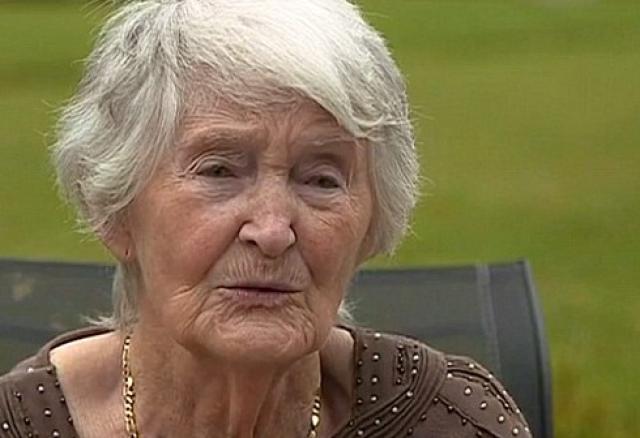
Winnie Hill
 Great Britain
- An Elderly Woman's Wrongful Dementia Diagnosis
- Second Opinion Reveals No Dementia
- Mild Cognitive Impairment
- Mistaken for Dementia
- Losing a Home and a Year of Life
- Prevalence and Lack of Data
An Elderly Woman's Wrongful Dementia Diagnosis
Misdiagnosed with DementiaIn a heartbreaking turn of events, an elderly British woman named Winnie Hill was mistakenly diagnosed with dementia. Amidst the news, she sold her home to cover the expenses of a specialized care home. However, just 18 months later, Hill received astonishing news: she was completely healthy.
Second Opinion Reveals No Dementia
After Hill's initial diagnosis in early 2013, she began experiencing cognitive decline. Doctors diagnosed her with Alzheimer's and recommended round-the-clock care. Yet, Hill and her family doubted the diagnosis. They sought a second opinion, which revealed that Hill didn't have any signs of dementia at all.
Mild Cognitive Impairment
Hill's initial diagnosis was actually mild cognitive impairment (MCI), a less severe condition that can often be caused by stress or depression. Patients with MCI may experience cognitive difficulties, but their symptoms do not interfere with their daily lives or impair their ability to make decisions.
Mistaken for Dementia
Unfortunately, MCI can sometimes be mistaken for dementia. Clear-cut clinical tests for dementia don't exist, making accurate diagnosis challenging. Hill's misdiagnosis led to her traumatic experience in a care home, where she felt isolated, restricted, and her appetite dwindled.
Losing a Home and a Year of Life
Despite the care she received at the care home, Hill's family witnessed distressing conditions and worried about her well-being. The realization that she was healthy left her furious. Not only had she lost her home due to the incorrect diagnosis, but she had also endured an unhappy year and a half.
Prevalence and Lack of Data
Dementia affects approximately 670,000 people in England and Wales. Experts estimate that over half of them remain undiagnosed and unsupported. However, the National Health Service lacks data on misdiagnoses in this area, highlighting the need for improved accuracy and patient support.


