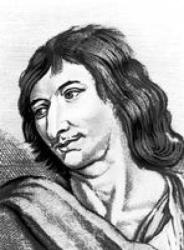
Wolfgang Borchert
 Germany
- Wolfgang Borchert: A Literary Beacon of Germany's Stunde Null
- Early Life and Literary Influences
- Wartime Experiences: Trauma and Imprisonment
- Liberation and Literary Breakthrough
- "Stunde Null": A Nihilist and Humanist Perspective
- The Legacy of "Outside the Door"
- Borchert's Literary Style and Impact
Wolfgang Borchert: A Literary Beacon of Germany's Stunde Null
Wolfgang Borchert, a renowned German poet and writer, left an indelible mark on German literature during the aftermath of World War II.
Early Life and Literary Influences
Born in Hamburg in 1921, Borchert's early interest in literature led him to publish his first poems as a teenager. Inspired by German expressionist poets such as Gottfried Benn and Georg Trakl, he also found guidance in the works of Hölderlin and Rilke.
Wartime Experiences: Trauma and Imprisonment
In 1941, Borchert joined the German army and fought on the Eastern Front. After being wounded and falling ill, he was accused of feigning sickness and imprisoned in Nuremberg. Sentenced to death for criticizing Nazi officials, his punishment was commuted to imprisonment due to external intervention. Released in 1943, he remained ill and rejoined a theater company on the front lines, only to be arrested again on charges of weakening morale.
Liberation and Literary Breakthrough
French forces liberated Borchert in 1945, after 17 months of imprisonment that had severely impacted his health. Despite his illness, he immersed himself in writing, penning short stories, parables, and his groundbreaking play, "Draußen vor der Tür" ("Outside the Door").
"Stunde Null": A Nihilist and Humanist Perspective
The horrors Borchert witnessed during the war shaped his nihilistic yet humanistic worldview. His writing reflected a rejection of the past while also acknowledging the fragility of human life. His stories and poems explored themes of guilt, loss, and the search for meaning in a shattered world.
The Legacy of "Outside the Door"
Published posthumously, "Outside the Door" premiered the day after Borchert's death in 1947. The play's exploration of a soldier's return home and his struggle to find a place in a changed world resonated deeply with postwar Germany.
Borchert's Literary Style and Impact
Borchert's writing style was characterized by its stark simplicity and evocative imagery. His stories and parables evoked the raw emotions of war and the search for redemption in the face of adversity. His work has been hailed for its authenticity and its ability to capture the zeitgeist of Germany's "Stunde Null."