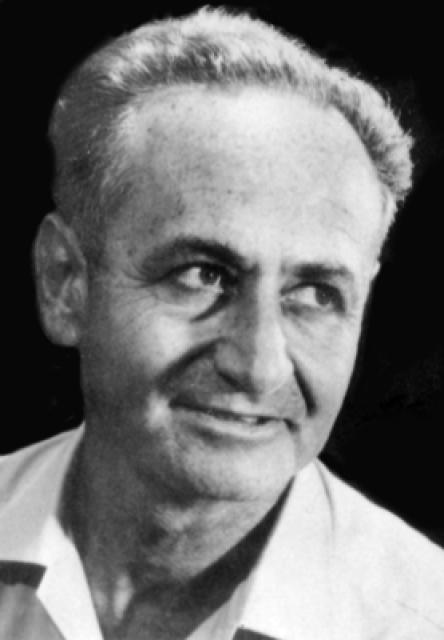
Yehoshafat Harkabi
 Israel
- Early Life and Military Career
- Intelligence Operations
- Nuclear Diplomacy
- Changing Views on the Arab-Israeli Conflict
- Academia and Public Service
- Intellectual Contributions
- Recognition and Legacy
Early Life and Military Career
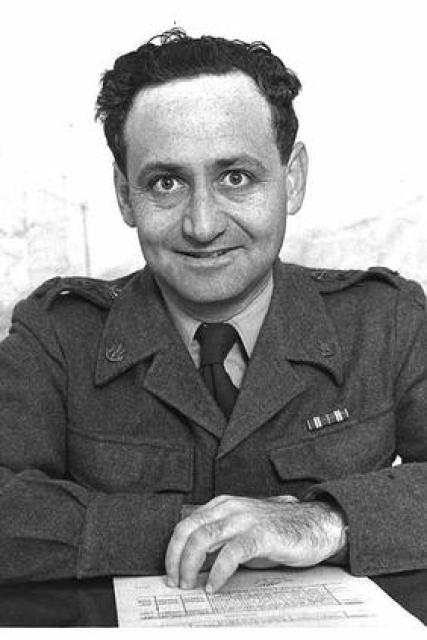
Yehoshafat Harkabi was born in Safed, Palestine, in 1921. He served with distinction in the Israeli military, eventually rising to the rank of Chief of Military Intelligence, becoming the fourth person to hold this position.
Intelligence Operations
As Chief of Military Intelligence, Harkabi was responsible for leading the first Israeli reprisal operations in 1956. These operations targeted Egyptian intelligence officers believed to be orchestrating terrorist attacks against Israel. Harkabi's tactics, which involved the use of assassins, set a precedent for future Mossad operations.
Nuclear Diplomacy
Harkabi was also instrumental in Israel's acquisition of a nuclear reactor from France. His expertise in Arab affairs and fluency in Arabic played a critical role in these negotiations.
Changing Views on the Arab-Israeli Conflict
Throughout his career, Harkabi gradually evolved his views on the Arab-Israeli conflict. He recognized the need for a Palestinian state and advocated for dialogue with the Palestine Liberation Organization (PLO).
Academia and Public Service
After retiring from the military, Harkabi held academic positions at Princeton University and the Brookings Institution. He also directed the Institute for International Relations and Middle Eastern Studies at the Hebrew University of Jerusalem.
Intellectual Contributions
Harkabi's most famous work, "Israel's Fatal Hour," outlined his vision for a "pragmatic dove" approach to the conflict. He believed that Israel must pursue policies that would maximize its security while also recognizing the legitimate rights of the Palestinians.
Recognition and Legacy
In 1993, Harkabi received the Israel Prize in Political Science. He was widely respected for his exceptional intelligence, analytical acumen, and unwavering commitment to peace. His ideas continue to shape Israeli policy and inspire generations of scholars and policymakers.


