Zahari Zograf
 Bulgaria
- Early Life and Education
- Artistic Maturity and the "Zograf" Title
- Monumental Masterpieces
- Troyan Monastery: A Canvas for Innovative Depictions
- Cultural Legacy and Artistic Influence
- Critical Reception and Artistic Significance
Early Life and Education
Zachari Zograph: A Masterful Iconographer and Pioneer of Bulgarian Art
Zachari Zograph, one of Bulgaria's most renowned artists, was born in Samokov to a humble family. His artistic journey began under the tutelage of his older brother, Dimitar Christov. After the untimely demise of his father, Zachari joined forces with Dimitar, forming a formidable artistic partnership.
Artistic Maturity and the "Zograf" Title
In 1827, Zachari became a devoted disciple of Neofit Rilski, a prominent spiritual leader. By 1831, his brother recognized his artistry, bestowing upon him the title of master. The term "zograf" (iconographer) in Greek simply signifies "painter," reflecting his expertise in religious artwork.
Monumental Masterpieces
Zachari's remarkable talent manifested in the stunning frescoes he painted in the Bachkovo Monastery's Archangel and Nicholas churches in 1841. Six years later, he was commissioned to decorate the newly constructed Dormition of the Mother of God Church in the Troyan Monastery.
Troyan Monastery: A Canvas for Innovative Depictions
Within the Troyan Monastery, Zachari's artistry soared. He adorned the edifice with biblical scenes, including depictions of Orthodox saints, Bulgarian rulers, and even Russian saints – an unprecedented occurrence in Bulgarian iconography. Beyond these canonical themes, he incorporated everyday objects and contemporary figures into his work, blurring the boundaries between religious and secular art.
Cultural Legacy and Artistic Influence
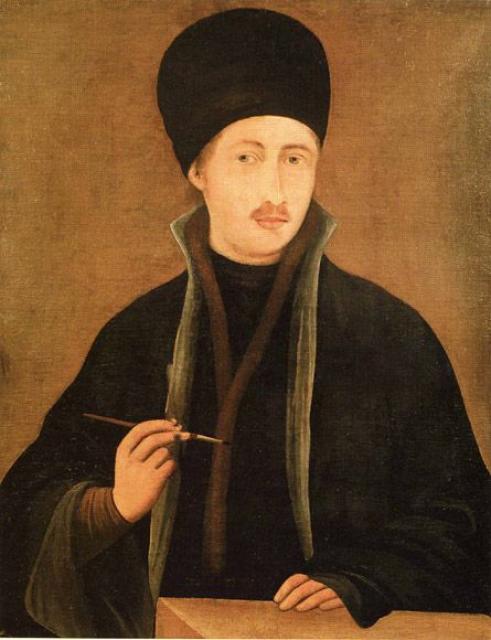
Zachari's frescoes have left an enduring legacy on Bulgarian art. His self-portraits, found in multiple monasteries, challenge conventions and offer a glimpse into the artist's own perspective.
Notable among his works are the icons in the Church of Constantine and Helena in Plovdiv and the Church of the Mother of God in Koprivshtitsa. His 17-month stint on Mount Athos, where he adorned the Great Lavra, further solidified his reputation.
Critical Reception and Artistic Significance
While some critics have questioned the depth of Zachari's frescoes, his exceptional technical skill remains undeniable. Nevertheless, his icons embody a harmonious blend of traditional Bulgarian iconography and emerging secular influences, solidifying his status as a pioneer in Bulgarian secular art.
His legacy extends beyond his own work; his nephew, Stanislav Dospevski, became another esteemed Bulgarian artist. Zachari Zograph's contributions have indelibly shaped the artistic landscape of his country, leaving a lasting impression on the world of art.




