|
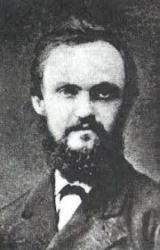
Julius WellhausenGerman orientalist and biblical scholar.
Date of Birth: 17.05.1844
Country:  Germany Germany |
Content:
- Early Life and Education
- Doctoral Studies and Habilitation
- The "Prolegomena zur Geschichte Israels" and Controversy
- Later Academic Career
- Death and Legacy
- Wellhausen's Key Contributions to Religious Studies
- Elohist
- Dating the Old Testament Sources
- Deuteronomist: 7th century BCE
Early Life and Education
Julius Wellhausen was born on May 17, 1844, in Hameln, Germany. He received his early and secondary education in the schools of Hameln and Hanover. In 1862, he enrolled at the Faculty of Theology at Göttingen University, where he studied Old Testament and oriental languages under the guidance of H. Ewald.
Doctoral Studies and Habilitation
In 1870, Wellhausen defended his doctoral dissertation and became a privatdozent at Göttingen University. In 1872, he obtained a professorship at the University of Greifswald.
The "Prolegomena zur Geschichte Israels" and Controversy
When Wellhausen's "Introduction to the History of Israel" was published in 1878, it led to his dismissal from his professorship in theology. He became a teacher of ancient oriental languages instead.
Later Academic Career
From 1882 to 1885, Wellhausen taught at the Faculty of Philosophy at the University of Halle. He was then invited to the University of Marburg, and from 1892 until the end of his life, he held a professorship at Göttingen University.
Death and Legacy
Wellhausen passed away on January 7, 1918, in Göttingen. His contributions to the field of religious studies left a significant mark on biblical scholarship.
Wellhausen's Key Contributions to Religious Studies
Documentary Hypothesis of the PentateuchBased on a textual analysis of the first six books of the Bible and comparing his findings to historical data, Wellhausen developed the Documentary Hypothesis. This hypothesis proposed that the first six books of the Old Testament were not written as a single unit but were gradually assembled from four independent sources:
Elohist
YahwistPriestly Code
Deuteronomy
The Priestly Code
Wellhausen introduced the concept of the "Priestly Code," which he believed formed the basis of the Pentateuch and the Book of Joshua (the Hexateuch). He argued that this code reflected the settled life of the Jews and could not have been written by Moses. Instead, he proposed that it was most likely composed during the Babylonian exile in the 6th century BCE.
Dating the Old Testament Sources
Wellhausen suggested that the four sources of the Old Testament could be dated as follows:
Deuteronomist: 7th century BCE
Priestly Code: 6th century BCEYahwist: 9th century BCE
Elohist: 8th century BCE