Abadi Bano Begum
 India
India- Abadi Bano Begum: A Leading Voice in India's Independence Movement
- Early Life and Family
- Support for Education
- Political Involvement
- Legacy and Recognition
Abadi Bano Begum: A Leading Voice in India's Independence Movement
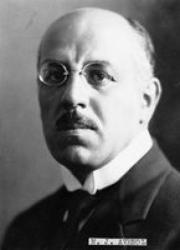
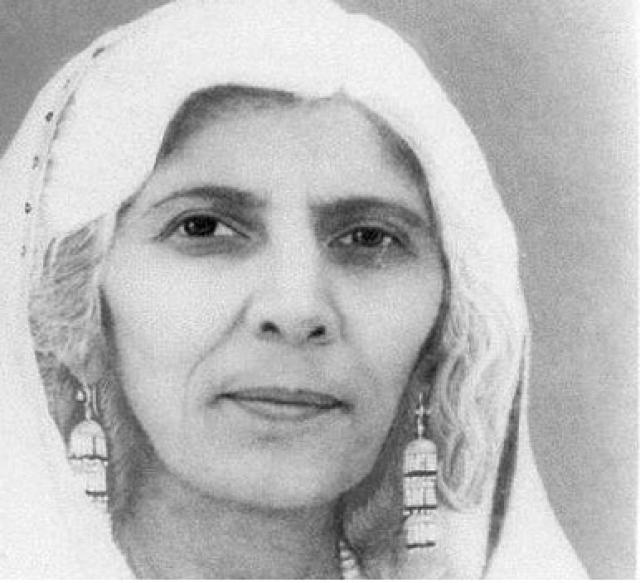
Abadi Bano Begum was a prominent figure in the Indian independence movement, actively participating in various political campaigns and advocating for women's involvement. She was also affectionately known as "Bi Amma."
Early Life and Family
Born in 1839 in Amroha, Uttar Pradesh, Abadi Bano Begum was married to Abdul Ali Khan, a high-ranking official of the Rampur state. The couple had five sons and a daughter. After her husband's premature death, she became the sole guardian of her children.
Support for Education
Despite financial constraints, Abadi Bano Begum prioritized education for her children, even pawning her personal jewelry to cover expenses. Notably, she sent her sons, Maulana Mohammad Ali Johar and Maulana Shaukat Ali, to an English-medium school in Bareilly, Uttar Pradesh. Her sons later became influential leaders in the Khilafat Movement and the Indian independence struggle.
Political Involvement
Abadi Bano Begum actively engaged in politics, serving on the Khilafat Committee. In 1917, she joined the agitation for the release of Annie Besant and her two sons from prison. Recognizing her potential to mobilize women, Mahatma Gandhi encouraged her to speak out in support of the freedom movement.
At an All-India Muslim League session in 1917, she delivered a rousing speech that resonated deeply with Muslims across British India. She extensively toured the country, invigorating support for the Khilafat Movement. She played a pivotal role in fundraising for the Khilafat Movement and the Indian independence movement.
Legacy and Recognition
Abadi Bano Begum remained actively involved in the freedom struggle until her passing in 1924. Her contributions were recognized by the Pakistan Post Office, which issued a commemorative postage stamp in her honor in 1990 as part of the "Freedom Pioneers" series.