
Abraham Lincoln
 USA
USA- Abraham Lincoln Biography
- Early Career and Political Rise
- Abolitionist Movement and Republican Party
- Presidential Election and Civil War
- Legacy
Abraham Lincoln Biography
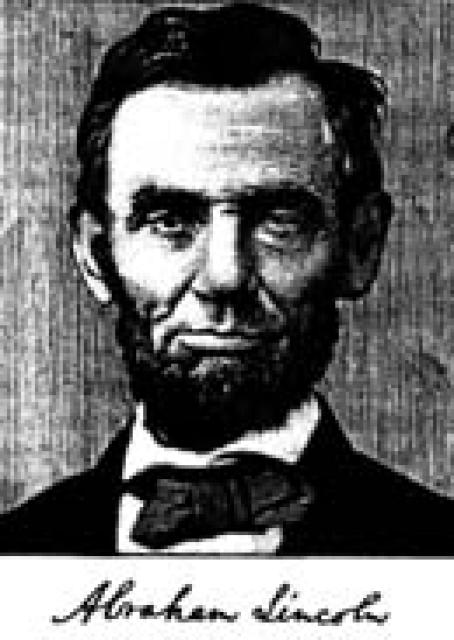
Abraham Lincoln, the 16th President of the United States, played a significant role in the preservation of the nation during the Civil War. Born on February 12, 1809, on a small farm in Kentucky, Lincoln had a modest upbringing. He moved with his family to Indiana in 1816 and later settled in Illinois. Lincoln's early life was marked by the loss of his mother and siblings, which instilled in him a sense of determination and resilience.

Early Career and Political Rise
Lincoln was largely self-educated and had a deep love for reading. He studied law and became a successful lawyer in Springfield, Illinois. In the 1840s, he became involved in politics and joined the Whig Party. As a member of the Whigs, Lincoln advocated for infrastructure development, education, and improvements in the legal system.

In 1846, Lincoln was elected to the U.S. House of Representatives, where he served for a single term. During his time in Congress, Lincoln opposed the Mexican-American War and strongly criticized President James K. Polk's handling of the conflict. His opposition to the war and his reputation as a talented orator helped raise his national profile.
Abolitionist Movement and Republican Party
Following his time in Congress, Lincoln devoted himself to his law practice and remained out of politics for several years. However, the passage of the Kansas-Nebraska Act in 1854 reignited his passion for politics. The act allowed for the expansion of slavery into new territories, which deeply troubled Lincoln.
In 1856, Lincoln joined the newly formed Republican Party and emerged as a prominent leader within the party in Illinois. The Republican Party opposed the expansion of slavery and aimed to protect the rights of free labor. Lincoln's powerful speeches and debates with Senator Stephen A. Douglas garnered him national attention and positioned him as a major figure in the fight against slavery.
Presidential Election and Civil War
In 1860, Lincoln was nominated as the Republican candidate for President of the United States. His campaign focused on preserving the Union and preventing the further spread of slavery. Despite not receiving a single vote in several Southern states, Lincoln won the election.
Shortly after his inauguration in March 1861, the Civil War broke out between the Northern states (the Union) and the Southern states (the Confederacy). Lincoln's presidency was defined by his efforts to restore national unity and abolish slavery. He believed that preserving the Union was essential for upholding the principles of freedom and democracy.
Throughout the war, Lincoln faced immense challenges and made difficult decisions to ensure the Union's victory. He issued the Emancipation Proclamation in 1862, which declared that all slaves in Confederate-held territory were to be set free. This move shifted the focus of the war from solely preserving the Union to also ending slavery.
Legacy
Abraham Lincoln's leadership during the Civil War and his commitment to ending slavery solidified his role as a central figure in American history. His presidency reinforced the values and principles outlined in the Declaration of Independence and the Constitution. Lincoln's unwavering dedication to preserving the Union and freeing enslaved individuals reshaped the nation's future.
Unfortunately, Lincoln's presidency was cut short when he was assassinated on April 15, 1865, just days after the Civil War ended. Despite his untimely death, Lincoln's legacy as a champion of democracy, equality, and justice continues to inspire generations of Americans.


