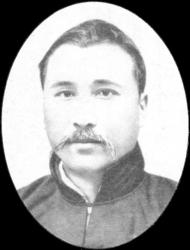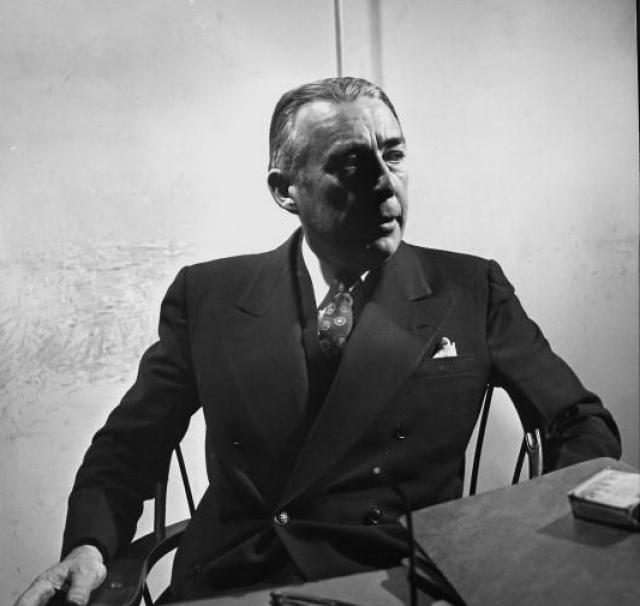
Adolf Augustus Berle Jr
 USA
USABiography of Adolf Augustus Berle
Adolf Augustus Berle Jr. was born in 1895 in Boston, Massachusetts. At the age of 14, he had already completed his studies at Harvard College and went on to receive his bachelor's degree in 1913. Berle then pursued a legal education at Harvard Law School, where he became the youngest graduate in 1916.
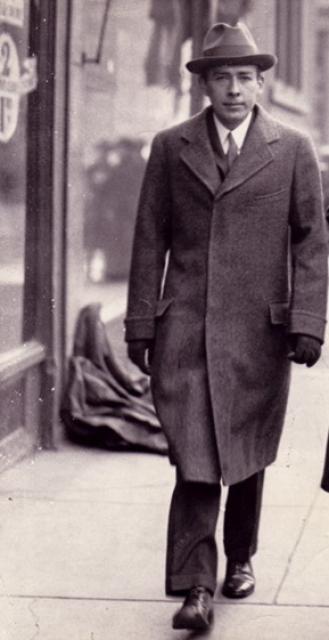
During World War I, Berle served in the American delegation at the Paris Peace Conference. However, in 1919, he left the conference as a public protest against the terms of the Treaty of Versailles and returned to his legal career. He joined the law firm 'Berle, Berle and Brunner' in New York City.
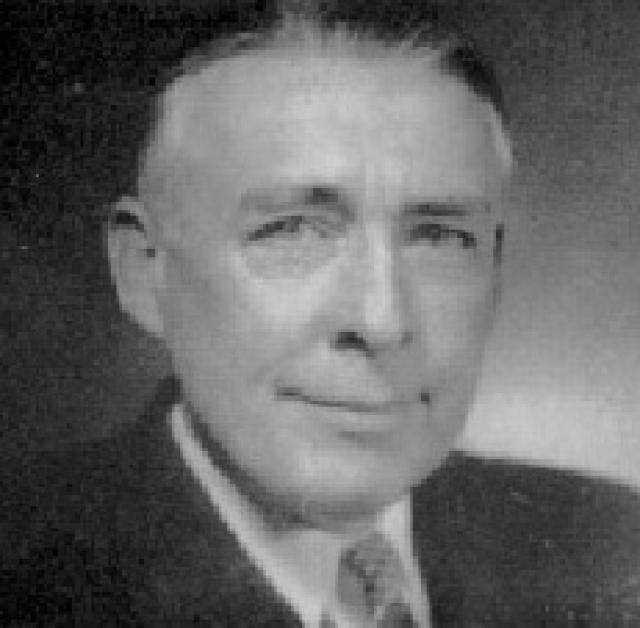
Berle was an exceptional individual, highly gifted and known for his independent and well-thought-out opinions. In 1927, he became a professor of corporate law at Columbia Law School. His expertise in corporate law and finance led him to become a member of Franklin D. Roosevelt's 'Brain Trust'. He played a significant role in the development and implementation of banking and securities legislation as part of Roosevelt's New Deal reforms.
In 1933, Berle authored the influential book 'The Modern Corporation and Private Property', which discussed the emergence of a new form of capitalism due to the shareholder ownership structure. He is considered a pioneer of the concept of the managerial revolution and had previously written on the topic in 1932 with Gardiner Means.
From 1938 to 1944, Berle served as an Assistant Secretary of State for Latin American Affairs. He then became the ambassador to Brazil from 1945 to 1946 before returning to his position at Columbia Law School. Berle also founded and chaired the Liberal Party from 1951 to 1955.
In 1961, Berle led President John F. Kennedy's special group on Latin American policy, known as the Alliance for Progress. He continued to contribute to the field of economics and politics with his book 'The 20th Century Capitalist Revolution' in 1955, where he defended large corporations as driving forces behind technological progress and modernization. Berle referred to these corporations as "revolutionary elements of modern society," earning him the reputation of being an advocate for the devil among his opponents.
Berle's other notable works include 'Tides of Crisis' (1957), 'Power without Property' (1959), and 'Power' (1969). He passed away on February 17, 1971, in New York City.