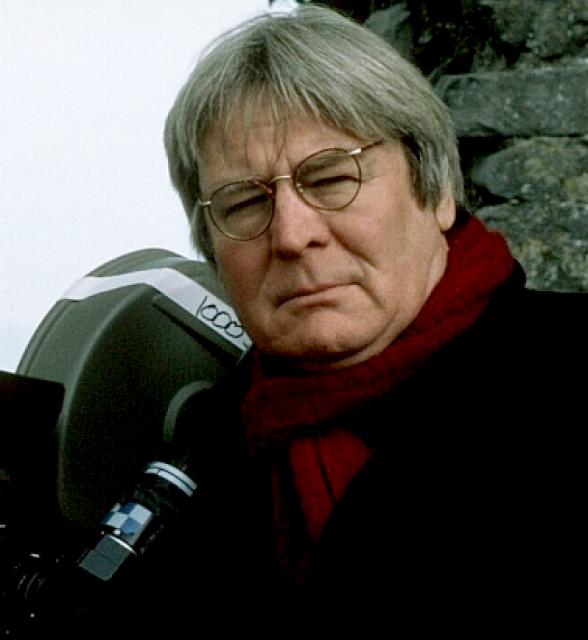
Alan Parker
 Great Britain
Biography of Alan Parker
Alan Parker, a renowned British film director, was born on February 14, 1944, in London. He began his career in the film industry at a young age and went on to become one of the most influential directors of his time.
Early Life and Career
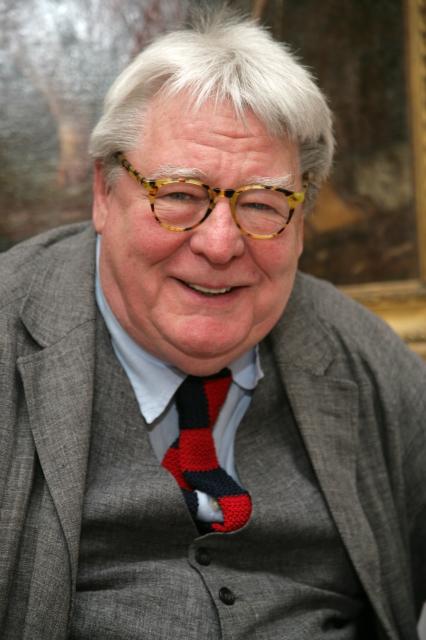
Growing up in London, Parker's childhood was unremarkable. After completing his education, he started working in an advertising agency, where he developed a passion for cinema. He then transitioned to television, where he continued to direct commercials. His style as a filmmaker was influenced by his advertising background and the works of existentialist filmmakers like Andrei Tarkovsky, whom Parker considers his idol and the greatest influence on his work.

Parker's diverse filmography spans various genres, from musicals to profound philosophical dramas. He made his feature film debut in 1976 with "Bugsy Malone," a parody of 1930s gangster films that garnered critical acclaim and won the BAFTA Award for Best Original Screenplay. This successful debut propelled Parker's career and solidified his reputation as a talented director.

Breakthrough and Success
In collaboration with emerging screenwriter and director Oliver Stone, Parker directed "Midnight Express" in 1978. The film, based on the memoirs of a Turkish prison inmate, achieved cult status and received critical acclaim. It won a Golden Globe and two Academy Awards for Best Screenplay and Best Original Music Score, establishing Parker as a director capable of telling complex and dramatic stories.
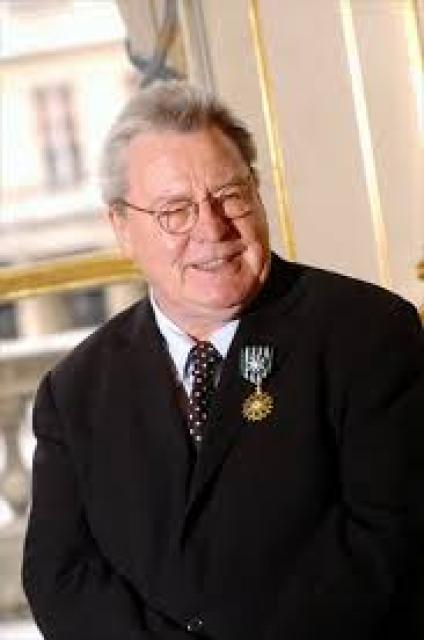
The 1980s marked the peak of Parker's career, during which he directed some of his most notable works. One of these films was the surrealist musical drama "Pink Floyd: The Wall" (1982), based on the album of the same name by the rock band Pink Floyd. Known for its powerful imagery and symbolism, the film vividly portrayed the contrast between the rebellious rock music of the 80s and the carefree rock-n-roll of the 60s. Despite initial mixed reviews, "The Wall" is now considered a masterpiece of the genre.

Parker continued his exploration of profound and complex themes with the anti-war parable "Birdy" (1984), which won the Palme d'Or at the Cannes Film Festival. The film tells the story of a Vietnam War veteran who imagines himself as a bird, using metaphorical language and powerful imagery to convey its message. Although the film received mixed reactions, it further solidified Parker's reputation as a visionary director.
Late Career and Legacy
In the 1990s, Parker's output decreased significantly, but he continued to make impactful films. One of his most successful projects during this period was the biographical drama "Evita" (1996), which portrayed the life of Argentine First Lady Eva Perón. Starring Madonna in her most critically acclaimed role, the film became a commercial success and earned Parker a Golden Globe. "Evita" also set a record for the most costume changes in a film, with Madonna wearing 85 different outfits.
Parker's last major film was "The Life of David Gale" (2003), starring Kate Winslet and Kevin Spacey. The film premiered at the Berlin International Film Festival and received critical acclaim. In his later years, Parker dedicated his efforts to the development and promotion of the film industry, serving as the chairman of the British Directors' Guild and founding the National Film Committee.
On July 31, 2020, Alan William Parker passed away in London, leaving behind a lasting legacy as one of Britain's leading directors. His unique storytelling style and ability to tackle challenging subjects have made him an influential figure in the world of cinema. Despite some of his works remaining relatively unknown to the general public, Parker always prioritized making films that resonated with him personally, rather than conforming to popular opinions.


