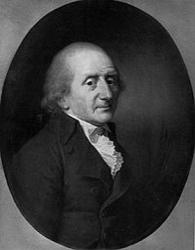
Albert Gunther
 Great Britain
- Albert Günther: German Zoologist, Ichthyologist, and Herpetologist
- Career at the British Museum
- Major Works
- Honors and Affiliations
- Later Years and Legacy
Albert Günther: German Zoologist, Ichthyologist, and Herpetologist
Early Life and EducationAlbert Günther was born in Esslingen am Neckar, Württemberg, Germany. He initially studied theology in Berlin and Bonn before pursuing medicine at the University of Tübingen. He earned his doctorate in 1853 for his doctoral dissertation on the fishes of the Neckar River.
Career at the British Museum
In 1857, Günther moved to London and joined the British Museum as an assistant in the zoology department. He specialized in ichthyology (fish study) and became the Director of the department in 1875 after the death of John Edward Gray. He held this position until 1895 and founded the annual publication "Records of Zoological Literature" in 1865.
Major Works
Günther's most significant work is his eight-volume "Catalogue of Fishes" (1859-1870). He also conducted extensive research on reptiles and amphibians from the museum's collection.
Honors and Affiliations
In 1867, Günther was elected a Fellow of the Royal Society and later served as its Vice-President from 1875 to 1876. He was also a member of the council of the Zoological Society for nearly forty years (1868-1905). In 1877, he joined the Linnean Society and became its President from 1896 to 1900. He became a naturalized British citizen in 1874.
Later Years and Legacy
Günther retired from the British Museum in 1895 and continued to pursue his research. He died on February 1, 1914, in Kew Gardens, London. His contributions to ichthyology and herpetology continue to be recognized within the scientific community.