Alberto Lattuada
 Italy
Italy- Early Life and Career
- Filmmaking Debut
- Pre-War Collaborations
- Post-War Neo-Realist Films
- Adaptation of Literary Classics
- Commercial Films and Television
- Legacy
Early Life and Career
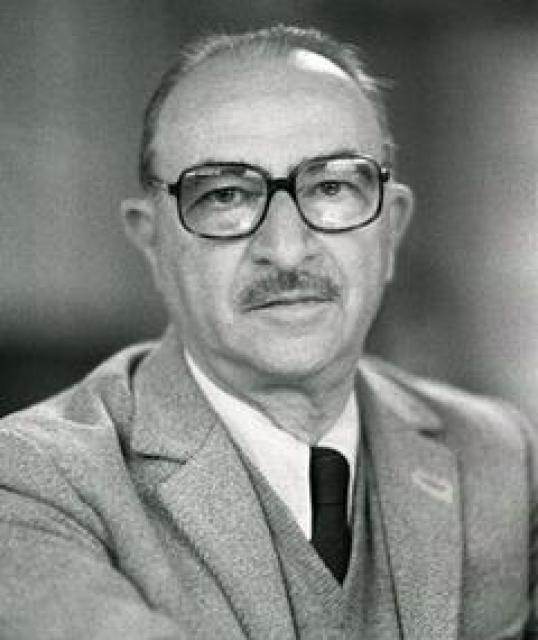
Alberto Lattuada was born on November 13, 1914, in Italy. Before pursuing a career in cinema, he earned a degree in architecture and dabbled in literature, poetry, photography, journalism, and film criticism.
Filmmaking Debut
Lattuada's foray into filmmaking began with short films such as "Cuore Rivelatore." In 1938, he co-founded the Italian Cinematheque in Milan alongside Luigi Comencini and Mario Ferrari.

Pre-War Collaborations
Lattuada collaborated with directors Fernando Maria Poggioli and Mario Soldati. He directed his first feature film, "Giacomo L'idealista," in 1942.
Post-War Neo-Realist Films
After World War II, Lattuada directed neo-realist films such as "Il Bandito" (1946), "Senza Pieta" (1947), and "Il Mulino Del Po" (1949).
Adaptation of Literary Classics
Lattuada adapted numerous literary classics for the screen, including works by Gogol, Pushkin, Chekhov, and Bulgakov. Notable adaptations include "Il Cappotto" (1952), "La Tempesta" (1958), "La Steppa" (1962), and "Cuore Di Cane" (1976).
Commercial Films and Television
While Lattuada's literary adaptations gained critical acclaim, much of his later work fell into the commercial genre, including films with erotic elements. In the 1980s, he directed popular television series, including "Cristoforo Colombo" (1984).
Legacy
Alberto Lattuada's filmography spans from neo-realist dramas to commercial films and television series. He is remembered as a versatile filmmaker who adapted literary classics for the screen and embraced both critical and commercial success.